Technology
The Best Tech Gifts for Gadget Freaks and Non-Geeks Alike

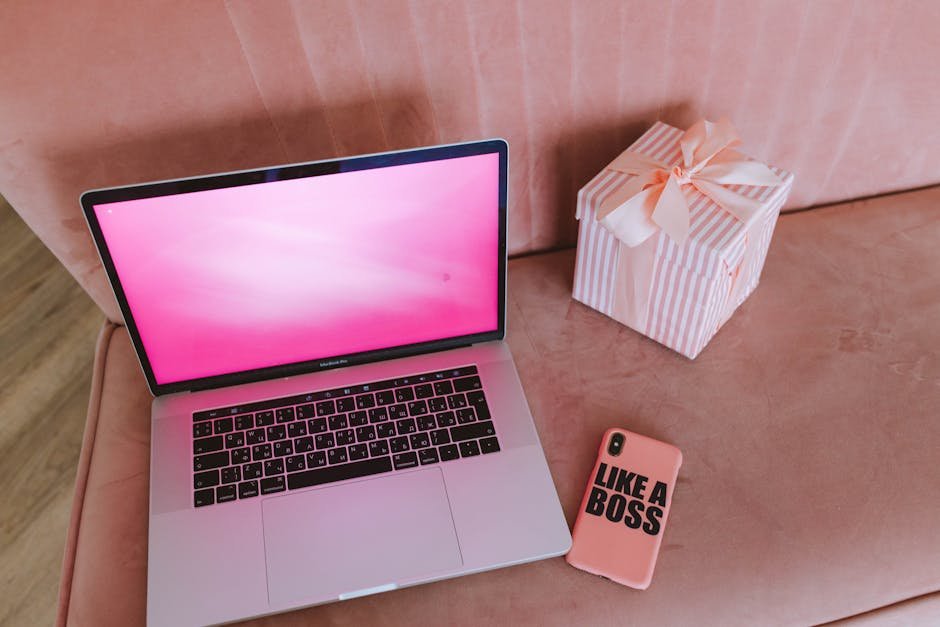
The Only Tech Gift Guide That Matters: Ditching the Digital Clutter
Buying tech gifts is terrifying. Why? Because the market is choked with useless junk designed solely to look good in an unboxing video before being tossed into the dreaded drawer of forgotten chargers. You want to give something that sparks joy, not something that requires an engineering degree just to connect to Bluetooth.
We’re not here to talk about niche soldering kits or obscure VPN routers. We’re here for the utility players-the devices so slick, so intuitive, that they earn permanent residence on a desk or in a bag. If you need a definitive list that bridges the terrifying gap between the person who compiles custom kernel modules and the person who still asks, “Is it charged?”, then you’ve landed on the right post. We’re cutting through the noise to present what truly makes up The Best Tech Gifts for Gadget Freaks and Non-Geeks Alike – GQ style: high quality, high utility, zero hassle.
The Noise Cancelers: Sound That Silences the World
If there is one category of tech that has become completely indispensable for everyone-from the commuting executive to the perpetually stressed college student-it’s high-quality audio. But here’s the rule: complexity is the enemy of the gift. No one wants a pair of cans that requires 17 steps just to pair.
For earbuds, the answer remains simple: Apple AirPods Pro (or for the Android devotees, the latest Samsung Buds Pro). They just work. The setup is instant, the noise cancellation is industry-leading, and the fit is near-universal. This is the definition of a gift that elevates daily life. It’s practical luxury.
If you’re upgrading to over-ear headphones, skip the flashy gaming headsets. You need the Sony WH-1000XM5. Yes, they are expensive, but that price tag buys tranquility. The sound is fantastic, but the real winner is the comfort and the uncanny ability of their noise cancellation to make a crowded airplane feel like a library. A gadget freak appreciates the tuning; a non-geek appreciates not having to hear their coworker chew. It’s a universal win.
The worst mistake you can make in this category is buying the cheap knock-offs. The audio will be tinny, the pairing will fail weekly, and the recipient will feel obligated to use them once before hiding them forever. Invest in the top shelf here. Your reputation as a discerning gift-giver depends on it.
Smart Home, Smarter Gifts: Utility Over Gimmicks
The Smart Home is a minefield. For the gadget freak, it’s a glorious, customizable sandbox. For the non-geek, it’s a source of immense frustration. You absolutely must avoid gifts that require installing a hub or configuring 50 different scripts. We are seeking items that provide immediate, tangible benefit with minimal effort.
My number one pick, year after year, remains the robotic vacuum cleaner, specifically a high-end model like the Roomba j series or a premium Roborock. Why? Because it solves a chore. Instantly. A sophisticated model learns the house and avoids cables, and frankly, watching a machine clean for you is one of modern technology’s purest pleasures. This isn’t a frivolous device; it’s a delegation tool. The non-geek sets it up once via the simple app; the geek appreciates the Lidar mapping capabilities. It works for both ends of the spectrum, cementing its status on The Best Tech Gifts for Gadget Freaks and Non-Geeks Alike list.
Another fantastic, low-stakes gift? A premium smart plug system (like those from Wyze or Kasa). These turn dumb items-like that perfect floor lamp-into smart, voice-activated items without requiring massive system overhauls. They are cheap, effective, and require zero commitment to a specific smart ecosystem. That’s crucial.
The Productivity Power-Ups: Eliminating Daily Frustration
The best tech gifts are often the ones that solve the most annoying, mundane problems. They aren’t glamorous, but they are essential. These are the supporting players that make the main acts-laptops and phones-actually usable.
The Portable Power Bank. Seriously. Stop buying the slim, credit-card-sized ones that provide 20 minutes of extra charge. You need bricks from companies like Anker that can charge a laptop and your phone three times over. The fear of seeing the dreaded red battery icon vanish when you know you have a huge power reserve in your bag is unparalleled. It is the ultimate insurance policy. Gadget freaks love the GaN technology; non-geeks just love not having a dead phone at 3 PM.
Next up: the universal tracking tag. If you aren’t gifting AirTags (for the Apple user) or the equivalent Tile/Samsung SmartTag, you are gifting anxiety. These inexpensive discs eliminate the stress of lost keys, misplaced backpacks, or vanished wallets. It’s immediate, stress-reducing technology. If a gift doesn’t improve mood or solve a chore, it’s probably a bad gift.
Ultimately, the metric for choosing The Best Tech Gifts for Gadget Freaks and Non-Geeks Alike is simplicity layered over advanced function. The device should do something incredibly complex while feeling utterly effortless to the user.
Final Thoughts on Gifting with Conviction
When you stand in the electronics aisle, remember this philosophy: never buy something cheap enough to be disposable. If you can’t afford the absolute best version of a product, pivot to a different product category where you can afford the best. A high-end charging brick is infinitely better than a mid-tier smartwatch.
The people who need tech the most are often the people who know the least about setting it up. Your job as the gift-giver is to provide a superior, friction-free experience right out of the box. Stick to these categories-premium sound, smart utility, and power redundancy-and you will absolutely crush it. This guide confirms that these are, without a doubt, The Best Tech Gifts for Gadget Freaks and Non-Geeks Alike could recommend.
Now go forth and upgrade someone’s life.

That Awkward Silence After “Hey Siri”
Remember the first time you tried to ask Siri a complicated, multi-step command or, heaven forbid, tried to pivot a conversation?
I mean, you’d ask it to play “That new song by Taylor Swift” and it would fire back with “Which Taylor Swift song are you referring to?” like a confused robot who only understood keywords. We all know the drill. For over a decade, Siri has been the butt of every digital assistant joke, a faithful but deeply limited tool capable of setting timers and calling Mom, but absolutely failing when context or true conversational flow was required. That frustration, that feeling of talking to a well-meaning but utterly dense automaton, is precisely what Apple is trying to eradicate, finally recognizing that the foundational approach they used was simply not up to par in the era of large language models. The rumors aren’t just whispers anymore; they confirm Apple is gearing up for a massive overhaul of its core voice assistant functionality, infusing it with true, modern AI chatbot capabilities.
It’s about time. It really is.
The Age of Generative AI vs. The Era of Command Line
For context, we need to understand what Siri has always been, and what the competition suddenly became. Siri was built on structured commands and intent recognition-based rules.
It was never designed to hold a flowing conversation. If you said, “Siri, remind me to check the mail when I get home,” it understood the command, recognized the location trigger, and executed. But if you followed up immediately with, “Wait, make that tomorrow morning instead,” the old Siri would often completely lose the thread of the original request, often trying to create a *second*, unrelated reminder. This is the hallmark of a system relying on predefined scripts, not genuine understanding. Its the difference between an old DOS prompt and a modern, intuitive operating system.
Wait, let me backtrack.
The rise of generative models-the tech powering ChatGPT, Google Gemini, and Microsoft Copilot-has completely reset user expectations for digital interaction, basically overnight. These models can maintain contextual memory across dozens of turns, generate complex creative text, summarize vast amounts of data, and, crucially, understand nuance and implied intent. Apple, having watched the market shift from under their feet, finally decided they couldn’t just keep adding minor feature patches to Siri’s antiquated architecture.
This isn’t just about making Siri “smarter” in the traditional sense of accessing more databases.
What “AI Chatbot Capabilities” Actually Means for the User
When professional reports mention integrating “AI Chatbot Capabilities” into Siri, we are talking about moving from command-based recognition to Large Language Model (LLM) powered comprehension. This is a profound architectural shift that will fundamentally alter how every Apple device operates.
The biggest, most palpable change we should anticipate is **contextual awareness.**
Imagine this: You ask Siri, “What was the score of the Warriors game last night?” Siri responds. Then you immediately follow up with, “And when do they play next?” The old Siri might require you to re-specify the team. The new, LLM-powered Siri will understand that “they” still refers to the Warriors. That seems simple, but it unlocks incredible complexity for planning and interaction. This contextual memory will extend across apps too, which is where things get really exciting for the Apple ecosystem.
Another thing is the ability to handle **complex, nested queries.** Instead of asking for simple facts, you could potentially ask Siri to “Summarize the three key action items from the last five emails sent by my boss, and then draft a polite refusal for the meeting invitation scheduled for Thursday.” This level of multi-step task execution, integrating information retrieval with text generation, is the defining feature of a true chatbot assistant.
The Ecosystem Advantage and the Privacy Promise
Google and OpenAI are fantastic, but they don’t own the operating system (OS) of a billion devices in the way Apple does. This deep integration is Apple’s secret weapon. Siri isn’t just a separate app; it’s woven into iOS, iPadOS, and macOS.
A true AI chatbot integrated deeply into the OS means far more powerful actions than external bots can offer. It means Siri could manipulate settings, manage cross-app workflows (like taking a photo from Photos, resizing it using a third-party app, and attaching it to a specific work thread in Messages), all based on natural, flowing dialogue. This is the practical difference between a clever web tool and a deeply ingrained digital butler.
And let’s be real- Apple is never gonna ignore privacy.
It is highly likely that a significant portion of the LLM inference will occur *on-device*, leveraging the powerful Neural Engine chips found in modern iPhones and Macs. Running the model locally addresses Apple’s strict privacy ethos, allowing for powerful contextual processing without sending every intimate conversational detail up to a remote cloud server for processing. This reliance on edge computing could also give Apple a speed advantage for standard tasks, making interactions feel snappier than competitors reliant solely on massive data centers. Honestly, if anyone can pull off robust, local LLM functionality, it’s them.
The Competitive Landscape and Catching Up
Apple has been criticized for being slow to the AI party, and frankly, I gotta say, the criticism is fair. While OpenAI and Google have been pushing the boundaries of creativity and computation, Siri has remained frustratingly static. This “major upgrade” is less a leap forward and more a necessary, aggressive pivot to catch up with the baseline capabilities already expected by users globally.
The pressure is immense. The success of the next few iterations of iOS and macOS hinges on how well this new Siri performs. If the improvements are incremental, Apple risks cementing its reputation as a follower in the AI space. If, however, they leverage their unique OS control and commitment to on-device processing to deliver a truly fast, deeply personal, and contextually rich assistant, they could leapfrog the competition in user experience.
We are looking at a complete rethinking of the interface, one that moves beyond the simple ‘Hey Siri’ prompt and possibly towards a constantly aware, helpful presence. Think less voice command, more seamless digital partner. This is their chance to finally make Siri live up to the promise the original marketing sold us a decade ago.
And if they nail the privacy aspect while delivering top-tier performance, they might just redefine what people expect from their daily digital companions. That, my friends, is why this update isn’t just big. It’s kinda everything for the future of Apple.
Will the new AI Siri finally stop interrupting me when I ask it to adjust the volume during a podcast?
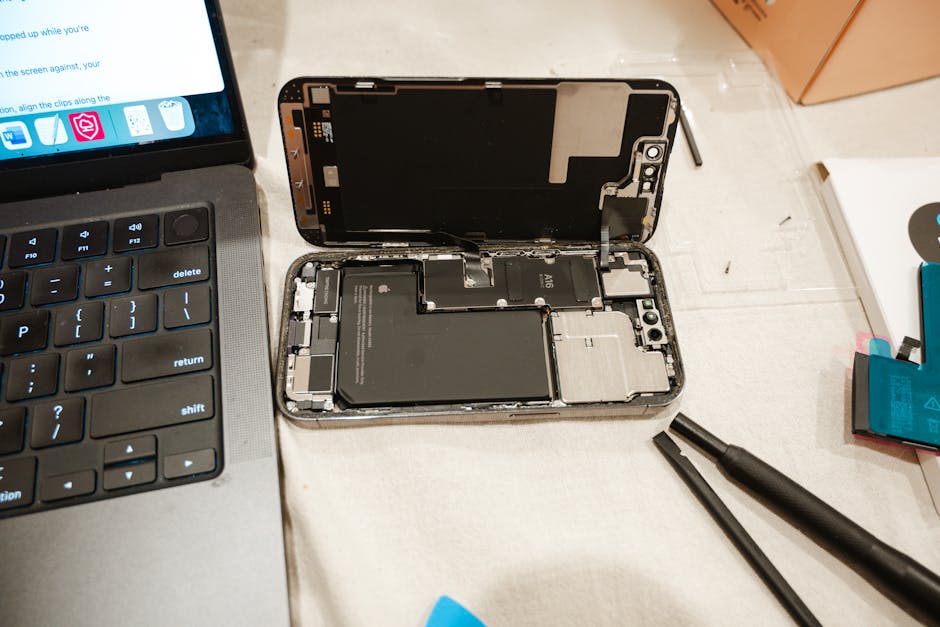
The Screen is Eating Your Life
You know the feeling, right? It’s 3:15 PM, you’re stuck in a meeting, and that little battery icon has gone a terrifying shade of red. It’s sitting there, squatting menacingly at 12%, taunting you about the three hours you still have before you get home. We all blame background apps or maybe that one time we left the Wi-Fi on for too long, but let me tell you the uncomfortable truth-
It’s the screen. It is always the screen. The display is, by far, the hungriest component in your entire iPhone, sucking down energy just to project those incredibly vibrant colors and sharp pixels right into your eyeballs. I mean, think about it: Apple spends millions of dollars every year perfecting these incredible, bright, retina-scorching displays, and all that visual punch comes at a severe power cost. If you wanna stretch your day out, especially if your battery health is already dipping below that comforting 90% threshold, the fastest, most effective way to claw back precious hours isn’t shutting down Netflix- it’s fundamentally changing how your phone uses light. These aren’t just minor adjustments; these five display tweaks are foundational moves that truly make a difference in your device’s endurance, potentially getting you from 12% at 3 PM to still being alive at 7 PM. It works.
Actually, come to think of it, these tips are especially potent if you have one of the newer iPhones with the gorgeous OLED display technology, because black pixels literally turn off the light source, drawing zero power.
1. The Brutal Brightness Reality Check
Stop blinding yourself and everyone around you.
The single most destructive action you can take to your battery life is running your iPhone display at maximum, or near-maximum, brightness constantly, particularly outside. If you are indoors, you really only need about 40 to 50 percent brightness to see perfectly fine. You should dive deep into your settings and confirm that you have both lowered the manual brightness slider significantly, and also, just as critically, ensured that Auto-Brightness is enabled in Accessibility. If Auto-Brightness is off, your phone is missing one of its best tools to intelligently manage power draw based on ambient light. When I first started tracking my battery usage after aggressively lowering my baseline brightness, I saw an immediate 15% reduction in overall display energy consumption- it was genuinely shocking.
2. Embrace the Dark Side (Dark Mode Forever)
This is where the OLED technology truly shines, literally by not shining.
For any iPhone 10 or newer (meaning, models with OLED screens, which include all Pro models and most newer standards), Dark Mode isn’t just an aesthetic preference- it’s an engineering advantage. When the screen renders black text on a white background, every single pixel is illuminated. When you switch to Dark Mode, rendering white text on a black background, the black pixels are actually turned off, consuming no power whatsoever. It’s incredible. And, trust me, once you get used to that deep, comfortable, black-velvet interface, going back to the stark white is gonna feel like getting hit by a spotlight in a library. Go to Settings, hit Display & Brightness, and switch that default setting over to Dark, making sure you don’t accidentally schedule it to switch back to Light mode during the day.
3. Shorten the Auto-Lock Time
How long do you really need your screen to stay lit while you stare blankly at your desktop?
Most people leave their Auto-Lock set to two minutes, maybe even five minutes if they’re reading an e-book, but this is pure battery suicide. Every second that display is active while you aren’t physically interacting with it is a waste of electrons. The ideal setting, in my expert opinion, is 30 seconds. Yes, it’s going to feel aggressive at first, and you might have to tap the screen occasionally while reviewing a long document, but that quick lock time ensures that the second you step away or finish a quick thought, the biggest power hog on your device shuts down completely. It is a tiny sacrifice for a noticeable bump in longevity, and there’s really no good excuse for having they’re display stay active for over a minute if you’re not touching it. This simple habit change is one of the easiest wins available.
4. Disable Raise to Wake
This one is sneaky, and it irritates me personally.
Raise to Wake is the feature that automatically lights up your lock screen every time you lift the phone, whether you intend to use it or not. You pull it out of your pocket, Raise to Wake activates. You shift it on the table, Raise to Wake activates. You reach to grab it to check the time, and instead of just a quick tap, the whole screen blazes to life, demanding energy. Disabling this is a must-do for serious power-savers, because all those little, unintended screen activations add up significantly throughout a busy day. Find this setting under Display & Brightness, and just flip the toggle off. Your battery will thank you for the silence.
5. Reduce White Point (The Hidden Gem)
Wait, let me backtrack and explain something about brightness control.
Most people only adjust the main brightness slider, but Apple offers a deeper, more aggressive way to cut down on light output without sacrificing legibility entirely. It’s called Reduce White Point, and it essentially dulls the intensity of the brightest colors on the screen- reducing the harshness and the maximum power required for white elements. Think of it as putting a subtle, high-quality filter over your entire phone that just takes the edge off that blinding white light. It’s fantastic for saving power, and even better for using your phone in a dark room without scorching your retinas. This setting is kinda buried, though, so pay attention:
- Go to Settings.
- Tap on Accessibility.
- Select Display & Text Size.
- Scroll down to ‘Reduce White Point’ and toggle it on.
I suggest starting the intensity slider around 25 to 50 percent; anything higher might make the display look slightly dull, which defeats the purpose of having a nice iPhone screen in the first place, but the power savings are truly impressive when this is paired with Dark Mode. It’s basically the turbo-mode for display efficiency, and many power users swear by it when they are running low on juice, since its effect is immediate and profound.
The Tally Up
If you implement even three of these five display tweaks- especially Dark Mode, low manual brightness, and the aggressive Auto-Lock setting- I guarantee you will see your daily active screen time jump dramatically. These steps directly address the largest continuous power drain on your device, bypassing the need for constant access to a charger.
So, the question isn’t whether these changes work. They do. The question is, are you ready to stop worshipping that brilliant, bright screen and start treating your battery life like the precious commodity it is?
Twice a year, the tech world spins faster, but CES-the annual Consumer Electronics Show-is usually where we get the clearest glimpse into the future of the home.
The murmurs emerging ahead of CES 2026 are not murmurs at all; they are a unified, roaring declaration from the industry’s heaviest hitters. If the early indicators hold true, CES 2026 is positioned to be a monumental turning point, signaling the definitive end of the current display war and the beginning of a new technological era.
The news is crisp, and its implications are seismic: LG, Hisense, and Samsung are all slated to unveil next-generation displays leveraging a new platform, officially dubbed “Micro RGB TV display technology.”
For those fluent in display jargon, this simple four-word phrase is the technological equivalent of dropping the mic. It confirms that the holy grail of display engineering-the perfect hybrid of OLED’s black levels and LED’s longevity and brightness-is finally moving out of the laboratory and onto the battleground of mass consumer electronics. This is not just an incremental update; this is the platform shift we’ve been waiting for.
The Dawn of Micro RGB: Understanding the Next Pixel Battle
To appreciate the magnitude of this tri-company unveiling, we first need context on the displays that dominate our living rooms today. The market has been locked in a high-stakes, two-sided war:
- OLED (Organic Light-Emitting Diode): Championed primarily by LG, these displays are self-emissive. Each pixel generates its own light, allowing for perfect black levels (by simply turning the pixel off) and superb contrast. The drawback? They use organic compounds, which degrade over time, leading to potential burn-in issues and limiting peak brightness, impacting viewing in very bright environments.
- QLED/MiniLED (Quantum Dot/Backlit LED): Championed by Samsung and Hisense, these use traditional inorganic LED backlights, often paired with quantum dots for enhanced color saturation. They achieve stunning brightness and boast incredible longevity, but they rely on local dimming zones to simulate black. While MiniLED technology has dramatically increased the number of dimming zones, achieving truly “perfect” black without blooming or haloing remains a technical hurdle.
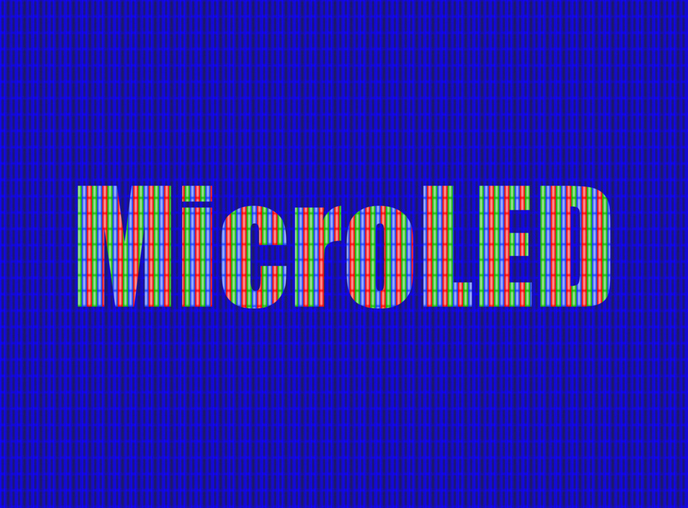
Enter Micro RGB. While the companies have yet to release detailed specifications, the name itself offers profound clues about the underlying technology. Micro RGB is almost certainly a direct evolution, or perhaps the consumer-ready nomenclature, for true MicroLED technology.
MicroLED is defined by its use of incredibly small, inorganic LED chips-one for every red, green, and blue sub-pixel. This system achieves the best of all worlds:
- Self-Emissivity: Like OLED, each pixel turns on and off independently, delivering infinite contrast and perfect black.
- Inorganic Longevity: Like traditional LEDs, the materials do not degrade, meaning zero risk of burn-in and a lifespan measured in decades.
- Unmatched Brightness: Because the light generation is direct and highly efficient, MicroLEDs are capable of reaching far higher peak brightness levels than any current consumer OLED or QLED panel, essential for truly breathtaking High Dynamic Range (HDR) content.
The challenge until now has been scale. Manufacturing flawless panels comprising millions upon millions of microscopic, perfectly aligned LEDs-a process known as mass transfer-has been notoriously difficult and prohibitively expensive, keeping MicroLED relegated to custom, gigantic, ultra-premium walls (like Samsung’s “The Wall”). The fact that three global manufacturing giants are aligning for a CES 2026 launch strongly suggests they have collectively or individually solved the manufacturing yield problems necessary to bring this technology into mass-market TV sizes.
Strategic Alignment: Why Three Titans Are Pivoting Together
In the highly competitive world of consumer displays, a single company launching a new technology is a risk. Three major competitors-each with deeply vested interests in competing display stacks-all committing to the same new platform at the same time is powerful market validation. This is a sign that the industry believes Micro RGB is not just a passing fad but the inevitable successor to today’s display technology.
LG’s Motivation: Defending the High Ground. LG has been the king of OLED, setting the standard for cinematic black levels. However, they have faced increasing pressure from high-brightness MiniLEDs. Pivoting to Micro RGB allows LG to maintain its advantage in self-emissive technology while eliminating OLED’s primary weaknesses (brightness and burn-in anxiety).
Samsung’s Motivation: The Complete Package. Samsung has aggressively pursued MicroLED in the ultra-premium space and QLED in the mass market. The Micro RGB nomenclature suggests they are ready to merge these pursuits. By leading the charge in an inorganic self-emissive display, they can finally overcome the mild blooming inherent in even the most sophisticated MiniLED backlight systems, creating a unified premium display strategy.
Hisense’s Motivation: The Challenger’s Leap. Hisense has successfully established itself as a massive player, leveraging advanced MiniLED technology to deliver high-quality visuals at extremely competitive price points. By adopting Micro RGB technology, potentially through licensing or shared manufacturing infrastructure, Hisense signals its intent to compete directly at the top tier of performance, ensuring they are not left behind as the technology ladder shifts upwards.
This coordinated launch means the barriers to entry for Micro RGB are likely about to fall dramatically. Supply chain efficiencies, driven by simultaneous adoption by competing manufacturers, will accelerate the timeline for this premium tech to reach mainstream price points faster than previous display evolutions.
The TrendInTimes Health Angle: Beyond the Pixels-Impact on User Wellbeing
At TrendInTimes, we look beyond sheer resolution and peak brightness. How does this new display technology fundamentally impact the human experience? The shift to Micro RGB has profound implications for health, longevity, and consumption comfort.
1. Reducing Anxiety: Eliminating Burn-In Stress
For years, a subtle psychological barrier has existed for many premium display users: the fear of burn-in. Whether it’s static HUD elements from video games, news tickers, or channel logos, the worry about damaging a high-investment display is real. While modern OLEDs have sophisticated preventative measures, the potential for permanent image retention remains because the material is organic.
Micro RGB, being built on inorganic LED structures, inherently eliminates this anxiety. For the first time, consumers can purchase a top-tier display knowing they can leave a paused game, stream 24/7 news, or use the TV as a constant informational hub without worrying about material degradation. This mental freedom contributes directly to a healthier, stress-free user experience.
2. Precision Light Control and Eye Comfort
The Micro RGB architecture represents the ultimate in localized light management. Each sub-pixel is its own perfect light source. This has two key benefits for eye health:
- Reduced Light Bleed and Fatigue: Older displays, reliant on large backlights or even complex local dimming zones, inevitably suffer from some degree of light leakage or unwanted light diffusion. This “leakage” forces the eyes to constantly adjust between truly dark and brightly lit areas, which can contribute to visual fatigue, especially during long viewing sessions in dark rooms. The perfect pixel-level control of Micro RGB ensures that light is emitted exactly where it is needed and nowhere else.
- Enhanced Blue Light Management: While often sensationalized, high levels of blue light, particularly in the late evening, can suppress melatonin production and disrupt circadian rhythms. Since Micro RGB pixels are natively red, green, and blue emitters, manufacturers have granular control over the light spectrum at the source. This allows for far more sophisticated and precise filtering and color shifting compared to older backlight systems that often rely on broad-spectrum white light filters. While the technology is inherently capable of extreme brightness, the precise control means manufacturers can program superior low-blue-light modes that minimize sleep disruption without drastically compromising color accuracy in the way that traditional software filters often do.
3. The Benefits of True HDR (High Dynamic Range)
Micro RGB technology promises the truest HDR experience yet available in consumer sets. HDR requires massive contrast-the ability to simultaneously display tiny, blindingly bright highlights (like reflections on water) alongside ultra-dark shadows.
This fidelity, while visually stunning, actually improves content consumption clarity. When a display can accurately reproduce the full intended dynamic range, it reduces the need for the eye and brain to fill in gaps or struggle with compressed dark details, leading to a more natural and less taxing viewing experience. The extreme brightness potential also means the display is more easily visible and vibrant even in sunlit living rooms, reducing the strain associated with viewing dimly lit content during the day.
The Road to 2026 and Beyond
The coordinated announcement of Micro RGB TV display technology by LG, Hisense, and Samsung at CES 2026 is a massive signpost. It signals not just a competitive shift, but a collective belief that the foundational manufacturing hurdles for this “holy grail” display have been overcome. We are likely looking at the technology that will define the premium TV market for the next decade.
While we must wait for the official unveils at CES 2026 for confirmed specifications-including sizes, brightness ratings, and, most crucially, price points-the simple fact that these three industry giants are aligning on the Micro RGB platform suggests that 2026 will be the year self-emissive, inorganic, and supremely bright displays finally begin their march toward mainstream adoption. Consumers stand to gain immensely: better longevity, less eye fatigue, and the most spectacular image quality ever delivered to the living room.
The display war isn’t over, but the battlefield has irrevocably changed. Keep checking back with TrendInTimes as we track the ramp-up to CES 2026 and analyze how this technology revolutionizes both the tech ecosystem and our personal health.


Stop Worrying About Bad Cholesterol- Boost Your HDL Like a Pro with These 5 Lifestyle Changes
The Good Cholesterol Paradox- Why Your HDL is Your Heart’s MVP How often do you hear someone brag about their...

Siri Awakens: Why Apples AI Chatbot Upgrade is the End of the Digital Brick Wall
That Awkward Silence After “Hey Siri” Remember the first time you tried to ask Siri a complicated, multi-step command or,...


Beyond Cigarettes: How Social Class Quietly Shapes Lung Cancer Risk
The Smoking Gun Wasn’t Smoking: Rethinking Lung Cancer Risk We’ve all heard the narrative-lung cancer is the smoker’s disease. It’s...

5 Hidden Display Settings That Can Significantly Improve iPhone Battery Longevity
The Screen is Eating Your Life You know the feeling, right? It’s 3:15 PM, you’re stuck in a meeting, and...

Anup Jalota to AR Rahman: Dobara Hindu Ho Jaayein
Being a legend in India isn’t easy. Seriously. Whether you’re in cinema or music, there is this heavy, invisible weight...


The Exercise Advantage: Why Cardio Fitness Is Essential for Sexual Well-Being
The Secret Weapon for Your Sex Life Isn’t a Pill-It’s the Treadmill We often talk about exercise in terms of...


What Is a Coregasm? A Science-Backed Look at Exercise-Induced Pleasure
The Ultimate Fitness Surprise: Understanding the Coregasm Imagine pushing through the final, grueling set of a plank or a leg...


Bedroom Cardio? The Real Health Impact of Sex Explained
The Ultimate Performance Metric: Is Sex Really a Workout? For decades, sex has been mythologized in popular culture, often portrayed...

3 Minutes a Day Is Enough: How Incidental Physical Activity Reduces Heart Risk
The Exercise Myth That’s Holding You Back For decades, we’ve been conditioned to believe that exercise only counts if it...


LG, Hisense & Samsung Reveal Breakthrough Micro RGB TV Display technology
Twice a year, the tech world spins faster, but CES-the annual Consumer Electronics Show-is usually where we get the clearest...
-

 Health6 years ago
There are more twins now than ever before
-
Uncategorized6 years ago
Bond and Togetherness – A strong connection between family members
-
 Lifestyle6 years ago
10 Surreal Places to enjoy winters in India
-
Beauty6 years ago
A Meditation to focus attention and awareness
-

 Beauty3 years ago
The side effects of nighttime smartphone usage
-
Health6 years ago
Ayurveda In India
-

 Beauty6 years ago
Top 10 Most Handsome Men in the World
-

 Entertainment6 years ago
Top 20 Instagrammers earning million dollars