Health
The Beginner Exercises Fitness Experts Recommend the Most

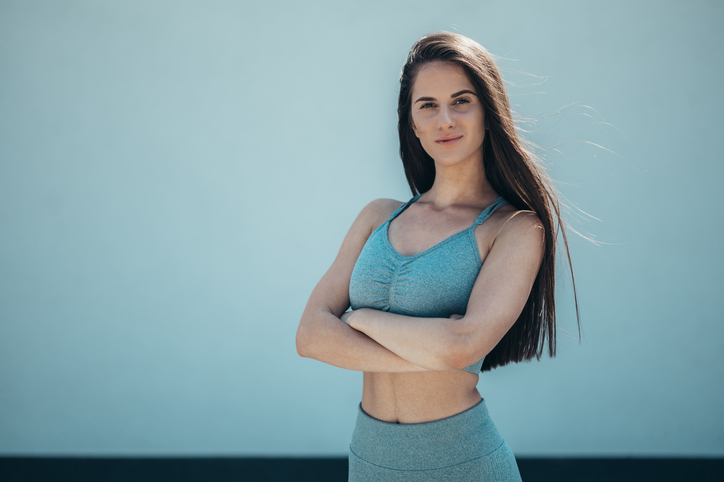
Let me tell you a secret: I live in a constant state of information overload. My job is to talk to the biggest names in strength training, physiotherapy, nutrition, and athletic conditioning. I sit through lectures on VO2 max, argue about carb cycling, and watch demos of incredibly complicated plyometric moves that would snap the average human in half.
The fitness industry is a colossal machine built on novelty. Every week, there’s a new ‘must-try’ class, a ‘revolutionary’ piece of equipment, or an overly dramatic influencer demonstrating a movement that looks like a complicated dance move mixed with a seizure. It’s exhausting, and frankly, it’s why most beginners quit before they even start. They look at the sheer volume of options and decide it’s all too hard.
But here’s the beautiful, unifying truth I’ve uncovered after thousands of interview hours: when you strip away the branding, the complicated acronyms, and the flashy aesthetics, the experts all recommend the exact same handful of movements for anyone starting out. They are simple, foundational, and ruthlessly effective.
So, if you’ve been drowning in conflicting advice, consider this your lifeline. The Beginner Exercises Fitness Experts Recommend the Most, and they form the holy grail of foundational fitness.
The Beginner’s Trap: Why Complex Moves Are the Enemy
Before we dive into the moves themselves, we need to address the mindset. Why do beginners fail? They prioritize intensity over consistency, and complexity over mastery. They see an elite athlete doing a barbell snatch and think that’s where they need to start. They don’t.
Every single expert-from the Olympic strength coach to the physical therapist helping post-op patients-will tell you that functional movement mastery is the non-negotiable prerequisite to everything else. If you can’t stabilize your spine or properly hinge at the hip, adding 200 pounds to the equation is a recipe for orthopedic disaster and long-term frustration.
Forget the machines that isolate a single muscle group. Your body is designed to move as a unit. The best beginner exercises are compound movements that engage multiple muscle groups simultaneously, forcing your body to learn coordination, balance, and stability.
When I poll my expert panel on the absolute non-negotiables for building a robust, injury-resistant body, the consensus is shocking only in its simplicity. Let’s start from the ground up.
Foundation 1: Mastering the Vertical Plane (Squats and Hinges)
If you can’t squat, you can’t live well. That’s a direct quote, more or less, from a highly respected geriatric fitness specialist I spoke with last year. The squat is the most fundamental human movement-we do it every time we sit down, stand up, or pick something off the floor. But decades of sitting in chairs have made us forget how to do it correctly.
The Squat (Bodyweight Focused)
The goal here isn’t to see how deep you can go immediately; the goal is to ingrain a safe, stable pattern.
- Expert Advice: The Box Squat. Instead of aiming for the floor, place a sturdy chair or box behind you. Sit down until your butt lightly touches the surface, then stand back up. This acts as an anchor and forces you to recruit your glutes (which tend to be lazy) rather than dominating the movement with your quads.
- Form Focus: Chest up, core braced, knees tracking over the mid-foot (not collapsing inward). Keep your weight in your heels.
- Why Experts Love It: It’s a multi-joint powerhouse that strengthens the glutes, quads, and core simultaneously. It fixes mobility issues in the hips and ankles.
The Hinge (The Essential Movement You’re Probably Getting Wrong)
Most back pain comes from improper hinging (bending over from the waist). The expert consensus is that the Hip Hinge, often taught through the Kettlebell Deadlift or RDL, is the most crucial pattern for protecting your lower back. For beginners, we start with the simplest version:
- Expert Advice: The Wall Hinge or Dowel Hinge. Stand facing a wall, about a foot away. Push your hips back as if searching for a chair, letting your torso angle forward slightly, maintaining a flat back. The wall prevents you from compensating by letting your knees travel too far forward. Alternatively, hold a dowel rod along your spine (touching your head, upper back, and sacrum) and maintain contact with all three points as you hinge.
- Form Focus: Keep the back flat! The movement initiates from the hips pushing backward, not the shoulders slumping forward. You should feel a slight stretch in the hamstrings.
- Why Experts Love It: This is the groundwork for lifting anything heavy safely. It teaches posterior chain engagement-glutes and hamstrings-which are vital for speed and injury prevention.
Foundation 2: Stability and Anti-Movement (The Core Consensus)
Ask a physical therapist what they think of the hundreds of crunches you do, and they will likely sigh deeply. The abdominal wall is designed primarily for spinal stability, not just flexion (bending). The best core exercises for beginners are “anti-movements”-meaning they teach your core to resist movement (rotation, extension, or lateral flexion).
The Beginner Exercises Fitness Experts Recommend the Most because they build core resilience from the inside out.
The Plank (The Gold Standard)
Yes, it’s basic. Yes, it’s hard. And yes, it is unavoidable. The plank teaches your core to resist extension (sagging hips).
- Expert Advice: The Shortened Plank. If a 60-second plank feels impossible, don’t hold it for 20 seconds with terrible form. Start on your knees if necessary, or better yet, focus on 10-15 second holds with absolute, perfect alignment. Squeeze your glutes and actively pull your elbows toward your toes (without actually moving them) to maximize tension.
- Form Focus: Imagine you are trying to pull your belly button up towards your spine. Hips should be aligned with shoulders-no mountains or valleys allowed.
- Why Experts Love It: It’s pure isometric endurance for the entire frontal core wall, shoulders, and glutes. It translates directly to standing posture and lifting strength.
The Dead Bug (The Anti-Extension Masterpiece)
This move looks deceptively easy but is the ultimate test of control and spinal stability. It teaches the deep transverse abdominis muscle to work exactly as it should.
- Expert Advice: Focus on the Press. Lie on your back, knees bent. Press your lower back firmly into the floor-imagine trying to squash a grape with your spine. Maintain that pressure while slowly extending one opposite arm and leg. If your lower back arches, you’ve gone too far.
- Form Focus: Control is everything. Slow, deliberate movements. The back must stay glued to the floor.
- Why Experts Love It: It isolates the core’s ability to stabilize against limb movement, which is exactly what happens when you run, walk, or lift something overhead.
Foundation 3: Upper Body Balance (Push and Pull)
The modern human spends all day hunched forward, pushing things (typing, driving, scrolling). Our posture is collapsing inward. For every pushing motion, we need a pulling motion to balance the shoulders and strengthen the often-neglected muscles of the upper back (rhomboids, traps).
The Push (Progressive Push-Ups)
The push-up is the classic assessment tool for upper body strength and core integration. The goal for a beginner is achieving a perfect, full-range movement, even if that means highly modifying it.
- Expert Advice: The Incline Push-Up. Start pushing against a wall, then progress to a kitchen counter, then a stable chair or bench. The higher the surface, the easier the push-up. This allows the beginner to maintain perfect spinal alignment and shoulder packing (pulling the shoulders down and back) before tackling the floor.
- Form Focus: Keep the core tight (it’s a moving plank!). Elbows should tuck in slightly (not flare out 90 degrees). Lower the chest until you touch the surface, then explode up.
- Why Experts Love It: It’s a compound movement that integrates the chest, shoulders, triceps, and core stability.
The Pull (The Unsung Hero: The Row)
If you want to fix your posture, you need to pull. Pulling movements directly counteract the rounding of the shoulders and strengthen the muscles that hold your head up straight.
- Expert Advice: The Dumbbell or Banded Row. Grab a single medium-weight dumbbell or use a resistance band anchored to a pole or door. Perform a seated or supported row, pulling the elbow backward toward the hip.
- Form Focus: Initiate the movement by squeezing your shoulder blades together, not by yanking the weight with your biceps. Think about rowing the weight *back*, not just *up*.
- Why Experts Love It: The row is the antidote to “desk-slouch.” It builds the posterior musculature crucial for injury prevention and a healthy, open posture.
The Underrated King: Walking and Active Recovery
Finally, we come to the one exercise that every single expert-the high-performance running coach, the weightlifting guru, the mobility specialist-will champion above all else for a beginner: walking.
It’s not exciting. It won’t get you a six-pack instantly. But walking is the essential building block of cardiovascular health, metabolic efficiency, and mental clarity. For someone who is sedentary, increasing their daily steps is the single most important factor for long-term health adherence.
- Expert Advice: The Daily Minimum. Aim for 30 minutes of brisk walking every day. This doesn’t need to be intense; it just needs to happen. It increases blood flow, helps manage stress, and establishes the crucial habit of moving your body daily.
- Why Experts Love It: It improves cardiorespiratory fitness without the joint impact of running. It speeds up recovery. It’s the ultimate low-barrier-to-entry exercise that builds the necessary discipline for future fitness endeavors.
When you ask me, The Beginner Exercises Fitness Experts Recommend the Most, and the list isn’t complex: Squat, Hinge, Plank, Dead Bug, Push-Up (modified), Row, and Daily Walking. That’s it. That’s the secret recipe.
Final Thoughts: The Power of Monotony
The biggest mistake you can make now is trying to do too much. The fitness experts I talk to don’t want you signing up for a complicated 8-week program full of exercises you’ve never heard of. They want you to spend the next 4-6 weeks mastering these six basic patterns, three times a week, and walking every single day.
The progress isn’t measured in how much weight you lift, but in the quality of your movement. Can you hold that plank for a perfect 30 seconds? Can you squat deep without your heels lifting or your knees caving?
In a world saturated with workout trends, remember the core philosophy of foundational strength: Monotony is the mother of mastery. Once you own these basics, the complicated, flashy stuff becomes accessible, safe, and actually fun. But you have to earn the right to progress. Start simple, start strong. This foundational wisdom, shared by every professional I’ve ever spoken to, is your map. Go use it.

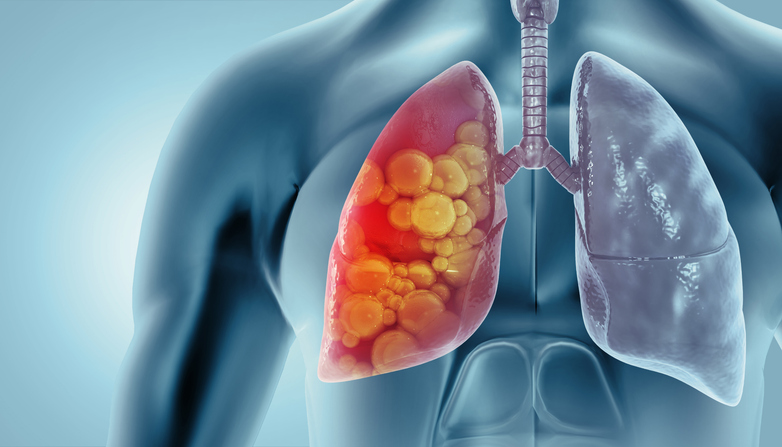
The Smoking Gun Wasn’t Smoking: Rethinking Lung Cancer Risk
We’ve all heard the narrative-lung cancer is the smoker’s disease.
It’s the standard public health message hammered home since the 1960s, a powerful, simple correlation that helped shape massive changes in global tobacco policy, which, honestly, was a net good thing for millions of people. But what happens when the neat, tidy narrative falls apart for a huge and growing subset of patients-those who have never touched a cigarette? When you meet a patient with a Stage IV diagnosis who simply says, “I never smoked,” the conversation shifts from personal choice and prevention to a deeper, scarier mystery. Wait, let me backtrack. The European medical community, especially those sharp researchers publishing in the European Medical Journal, are now drilling down on an uncomfortable truth: for the never-smokers, the true culprit is often not a lifestyle choice, but life circumstances.
This is a paradigm shift we kinda need to pay attention to.
For decades, non-small cell lung cancer (NSCLC) in never-smokers was largely explained away by rare genetic mutations or perhaps unavoidable environmental radon exposure. But the numbers simply don’t support that as the whole story anymore. We are talking about a significant population increase in cases among individuals who have zero history of heavy tobacco use, meaning they have smoked fewer than 100 cigarettes in their lifetime. And these new findings suggest that the risk isn’t hiding in some exotic carcinogen in their dinner-it’s baked into the social fabric of their lives.
I mean, think about that complexity for a second. Its not just about genes or bad luck.
The Determinants of Destiny: Poverty and Pollution
When medical researchers talk about “social factors,” they aren’t just talking about your friend circle or how many likes you got on your last post. They are using a clinical framework known as the Social Determinants of Health (SDOH), and these determinants are brutally effective predictors of disease. We’re talking about things like neighborhood quality, housing stability, income level, and chronic stress exposure. And, surprisingly, this entire complex of factors is starting to look like a key accelerator for NSCLC in people who never lit up.
What’s the mechanic here? How does the stress of making rent turn into a tumor in your lung? It’s often multifaceted, combining biological inflammation with unavoidable toxic exposures. Living in economically disadvantaged areas frequently correlates directly with living near industrial pollution, major highways, or poorly ventilated, older housing structures. This exposure includes particulate matter (PM2.5) from traffic and industry, which we know causes oxidative stress and inflammation in lung tissue-a powerful biological pathway for cancer initiation. Actually, come to think of it, many of these environmental pollutants-think diesel exhaust and industrial smog-are known Class I carcinogens, but the severity of exposure is unevenly distributed across socioeconomic lines.
The lack of consistent, high-quality healthcare access is another huge multiplier. Early detection is everything in cancer survival. If you are struggling financially, you are far less likely to see a doctor for that persistent cough, or to access regular screening, even if you qualify. By the time a diagnosis is made for someone in a lower socioeconomic group, the cancer is often already advanced and much harder to treat. That’s a grim reality check.
And so, we have a vicious cycle: low SES leads to higher environmental exposure and chronic physiological stress, which drives inflammation, and that same low SES simultaneously blocks access to the early interventions that could save their life.
Stress, Inflammation, and the Biological Bridge
Let’s get a little scientific, but not too boring. We have to understand the biological mechanism because this is where the authoritative part comes in. Chronic psychological stress, which is endemic in poverty and instability, triggers the persistent release of stress hormones like cortisol. Over time, high cortisol levels suppress the immune system’s ability to police and destroy rogue cells and simultaneously fuel systemic inflammation.
Inflammation is cancer’s best friend. Its a chaotic environment where cells are constantly being damaged and repaired, increasing the chances of a replication error that leads to malignancy. For the never-smoker, whose lungs might not have been assaulted by the direct chemical hit of nicotine, the slow, relentless grind of environmental pollution mixed with chronic socioeconomic stress becomes the necessary ingredient for tumor growth.
Another thing is the nutritional factor. Access to fresh, nutrient-rich food is often limited in low-income neighborhoods-we call these food deserts. Poor diet means fewer antioxidants to fight the oxidative damage caused by pollution and inflammation. So, the body’s innate defense systems are running on empty while constantly being attacked by environmental toxins that wealthy communities often manage to avoid. It works.
- Geographic Risk: Living in highly polluted urban or industrial areas greatly increases exposure to PM2.5 particles.
- Housing Quality: Exposure to indoor air pollutants, including poorly managed mold or inefficient cooking/heating systems, is higher in substandard housing.
- Chronic Stress: Socioeconomic hardship maintains a state of chronic, damaging inflammation throughout the body.
- Diagnostic Delay: Lack of insurance or limited access leads to diagnosis at later, less treatable stages.
The Policy Implications Are Massive
If the European Medical Journal research proves definitively that social factors are independent risk drivers for lung cancer in never-smokers, then the current approach to screening and prevention is inadequate. We can’t just run ads telling people not to smoke; we have to address the very air they breathe and the stability of their lives.
The policy response needs to be holistic, moving beyond individual responsibility. This isn’t just a matter for oncologists-it’s a massive urban planning and economic equity challenge. We are talking about needing significant investment in air quality management, especially around low-income housing and schools. We are talking about screening protocols that aren’t solely based on a history of smoking, but incorporate geographic residence and socioeconomic vulnerability as risk factors. That requires courage, frankly, because it costs money.
The research is kinda clear: ignoring the social determinants of health doesn’t just make health outcomes unequal, it actively kills people. The old public health model where lung cancer equals smoking is obsolete, or at least dangerously incomplete. If we don’t expand our definition of risk to include poverty and pollution, we’re gonna keep missing these deadly diagnoses until its too late. The fight against lung cancer in this century requires us to stop looking only at individual behavior and start looking at the structure of society itself. That is a huge task.
But how much longer can we afford to hold off?
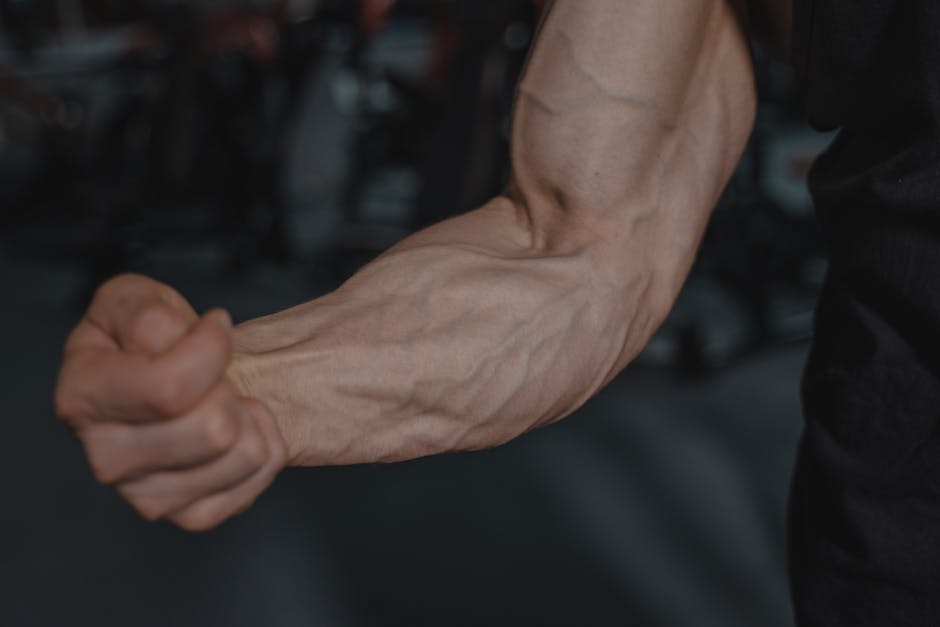
The Secret Weapon for Your Sex Life Isn’t a Pill-It’s the Treadmill
We often talk about exercise in terms of weight loss, building muscle, or reducing the risk of chronic diseases like diabetes and hypertension. These benefits are well-known and constantly championed by public health experts. But there’s a crucial, often overlooked area where physical activity pays massive dividends: your sexual health.
The relationship between physical fitness and bedroom performance isn’t a theory-it’s physiological fact. In the same way that consistent movement strengthens your heart and sharpens your mind, it directly enhances the mechanics, hormones, and psychology necessary for a satisfying and vigorous sex life. Forget expensive supplements or niche therapies; one of the most powerful aphrodisiacs available is simply getting your body moving.
As a subject matter expert in health and wellness, I can tell you that when we look under the hood, the mechanisms connecting a healthy lifestyle to sexual vitality are undeniable. It boils down to three core systems: blood flow, hormonal balance, and mental resilience. When you optimize these three, your sexual function naturally improves, often dramatically.
The Hydraulic System: Why Blood Flow is Everything
If there is one universal principle linking fitness and sexual health, it is the role of the cardiovascular system. Sexual response, regardless of gender, is fundamentally a vascular event.
For men, the ability to achieve and maintain an erection relies entirely on healthy blood vessels relaxing and expanding to allow rapid influx of blood into the penile corpora cavernosa. Any restriction in this blood flow-caused by plaque buildup, high blood pressure, or damage to the endothelium (the inner lining of the blood vessels)-leads directly to Erectile Dysfunction (ED).
In fact, ED is often considered an early warning sign of broader cardiovascular issues. Studies show that when the arteries feeding the heart begin to narrow, the smaller arteries feeding the penis are often affected first, sometimes years before major heart problems arise. Therefore, anything that keeps your plumbing clean and efficient is a direct boost to erectile function.
What does exercise do for your plumbing?
- Endothelial Function Improvement: Regular aerobic exercise forces your blood vessels to work harder. This promotes the release of nitric oxide, a compound that signals the blood vessels to relax and widen (vasodilation). This improved vascular flexibility ensures faster, stronger blood flow to the pelvic region.
- Lowering Blood Pressure: Chronic hypertension is a major contributor to ED. Exercise is one of the most effective non-pharmacological methods for maintaining optimal blood pressure, protecting those delicate blood vessels.
- Atherosclerosis Prevention: Exercise helps manage cholesterol and reduces the accumulation of arterial plaque. A clean artery delivers blood efficiently, which is critical for strong erections and intense sensation.
This vascular benefit isn’t exclusive to men. For women, sexual arousal requires significant blood flow to the clitoris, labia, and vaginal tissues. This engorgement is necessary for lubrication, sensation, and achieving orgasm. Women who maintain cardiovascular fitness report enhanced sensitivity and a greater ability to achieve climax, directly attributable to optimized pelvic blood supply.
The Chemical Cocktail: Hormones and Libido
A satisfying sexual experience requires more than just functional hydraulics; it requires desire. Libido-the engine of sexual desire-is powerfully influenced by circulating hormones, particularly testosterone and cortisol.
Testosterone: The Desire Driver
While often associated primarily with male health, testosterone plays a vital role in the libido of both men and women. Low testosterone levels are frequently linked to reduced sexual desire, energy, and overall satisfaction.
The good news? Exercise, particularly resistance training and high-intensity interval training (HIIT), has been shown to temporarily elevate and sometimes sustainably improve natural testosterone levels. When you challenge your muscles, your body responds by producing more of this crucial hormone. A strong, consistent exercise routine helps keep your hormonal environment primed for arousal and performance.
Cortisol: The Desire Killer
In our modern, high-stress world, cortisol-the primary stress hormone-is often chronically elevated. High cortisol levels are antagonists to sex hormones; they suppress the HPG axis (Hypothalamic-Pituitary-Gonadal axis), which regulates reproduction and sexual function. Essentially, when your body is in “fight or flight” mode (high cortisol), it sees reproduction and intimacy as non-essential and shuts down the systems responsible for desire.
Exercise acts as a profound stress buffer. While intense exercise temporarily spikes cortisol, the long-term effect of regular physical activity is a greater ability to regulate stress and lower baseline cortisol levels. By literally burning off stress, exercise resets the endocrine system, allowing the sex hormones to take precedence and restoring natural libido.
The Mental Game: Confidence, Energy, and Connection
Sexual health is deeply intertwined with mental and emotional well-being. Performance anxiety, poor body image, chronic fatigue, and depression are major barriers to intimacy. Exercise systematically tackles each of these issues.
Improved Body Image and Confidence
It’s simple psychology: when you feel better about how you look and what your body can do, you are more likely to engage sexually and enjoy the experience. Fitness creates tangible results-increased muscle tone, improved posture, and greater stamina-all of which feed into sexual self-confidence. This boost is crucial because confidence, or lack thereof, significantly dictates vulnerability and connection during intimacy.
The Endorphin Effect
Physical activity releases endorphins, often referred to as natural mood elevators. These chemicals reduce the perception of pain and induce feelings of euphoria and well-being. A post-workout high doesn’t just make you feel good about yourself; it can translate directly into a better mood and a greater inclination toward intimate connection later in the day.
Fighting Fatigue and Boosting Energy
One of the most common reasons couples cite for a decline in sexual frequency is “too tired.” While it seems counterintuitive, expending energy through exercise actually boosts overall energy reserves and fights chronic fatigue. By improving mitochondrial efficiency and sleep quality, regular physical activity ensures you have the stamina and mental availability necessary to initiate and sustain sexual activity.
Targeted Interventions: Beyond General Fitness
While general cardiovascular fitness is the bedrock of sexual health, some specific exercises offer localized benefits that should not be ignored.
The Power of the Pelvic Floor
For both men and women, the pelvic floor muscles play a critical role in sexual function. In women, strong pelvic floor muscles contribute to sensation and intensify orgasms. In men, these muscles (specifically the bulbocavernosus muscle) are essential for maintaining rigidity and controlling ejaculation.
Kegel exercises-contractions of the pelvic floor-are often recommended post-pregnancy or for addressing incontinence, but they are equally vital for sexual performance. Incorporating Kegels, often through yoga or targeted strength routines, can significantly enhance sexual experience and help combat issues like premature ejaculation or urinary leakage during high-impact activity, which can undermine sexual confidence.
Mindfulness and Movement: Yoga’s Role
Practices like yoga and Tai Chi, which emphasize breath control, flexibility, and mindfulness, indirectly benefit sexual health by reducing anxiety and improving body awareness. Being present and focused is a cornerstone of pleasurable sex. Anxiety pulls you out of the moment; mindfulness practices anchor you in it.
How Much Exercise Do You Actually Need?
You don’t need to train for a marathon to reap the sexual benefits of exercise. The key is consistency and moderation, focusing heavily on aerobic activity.
The standard recommendations from health bodies worldwide serve as an excellent baseline for sexual health improvement:
- Aerobic Activity: Aim for at least 150 minutes of moderate-intensity aerobic exercise per week (e.g., brisk walking, cycling, swimming) or 75 minutes of vigorous activity (e.g., running, intense sports). This consistent elevation of heart rate is what keeps your vascular system elastic and clean.
- Strength Training: Incorporate two days per week of strength training targeting all major muscle groups. This supports testosterone production, improves metabolism, and boosts physical confidence.
Research confirms that even modest increases in physical activity can lead to noticeable improvements in sexual function, particularly in individuals who were previously sedentary. For those suffering from mild to moderate ED, introducing a regular regimen of brisk walking often yields results comparable to some prescription medications, without the side effects.
The Cautionary Tale: Overtraining
While exercise is beneficial, it is important to note the concept of diminishing returns. Extreme endurance training without adequate recovery can actually have a negative impact on sexual health, particularly in men. Overtraining can lead to chronic elevation of cortisol, severe fatigue, and, in some cases, can suppress testosterone and luteinizing hormone (LH) production. This is often seen in individuals who drastically increase mileage or training intensity without proper caloric or rest support.
The goal is balanced fitness-enough intensity to stress the body positively, but enough recovery to allow hormonal systems to stabilize and thrive.
The Takeaway: Invest in Your Vigor
The intimate connection between a strong heart and a healthy sex life is a profound motivator. When you choose to exercise, you aren’t just investing in longevity; you are investing in vigor, confidence, and the quality of your closest personal relationships.
Whether it’s tackling ED, boosting overall libido, improving sensitivity, or simply ensuring you have the energy required for intimacy at the end of a long day, the solution starts with movement. The journey toward better sexual health is paved with good habits, and few habits are as foundational as regular physical activity. If you want a prescription for a better sex life, lace up your shoes-the gym is waiting.

The Ultimate Fitness Surprise: Understanding the Coregasm
Imagine pushing through the final, grueling set of a plank or a leg raise, feeling the deep burn of your abdominal muscles- and then, out of nowhere, experiencing an orgasm. No touch, no sexual thoughts, just pure, unexpected climax triggered solely by physical exertion. Welcome to the world of the coregasm.
For decades, this phenomenon was relegated to fitness folklore, whispered about in locker rooms as a humorous impossibility. However, modern sexology and physiological studies have confirmed it as a very real, though relatively rare, occurrence. A coregasm, or Exercise-Induced Orgasm (EIO), is a non-coital climax achieved solely through physical activity that intensely engages the deep core musculature and the pelvic floor.
As subject matter experts delving into human physiology and sexual health, we’re going to dissect the coregasm: what it feels like, the surprising neuroscience behind it, and the techniques that might help you either unlock this unique experience or simply understand your body better.
What Exactly Is a Coregasm? Defining EIO vs. EISP
The term “coregasm” is a portmanteau of “core” and “orgasm,” perfectly describing its origin. While it’s the most recognizable name, researchers often categorize this experience into two technical groups based on findings published in journals like Sexual and Relationship Therapy:
- Exercise-Induced Orgasm (EIO): This is the full, intense, unmistakable climactic experience.
- Exercise-Induced Sexual Pleasure (EISP): This encompasses sensations of deep sexual arousal, warmth, tingling, or pleasurable pressure that stop short of a full orgasm.
Crucially, the defining feature of both EIO and EISP is the absence of erotic thought or sexual stimulation during the activity. It is a purely mechanical, physiological reaction. This distinguishes it from an orgasm that might occur during exercise if the person is simultaneously fantasizing or stimulating themselves (which is possible but not what defines a coregasm).
The Neurological Highway: The Science Behind the Spontaneous Climax
How can exercising your stomach muscles trigger an orgasm? The answer lies in the close anatomical relationship and shared nerve pathways between the deep core muscles and the genital structures.
The Role of the Pelvic Floor
The coregasm relies heavily on the activation and fatigue of the pelvic floor muscles. The pelvic floor is a hammock-like structure of muscles, connective tissue, and ligaments that supports the bladder, uterus, prostate, and rectum. These muscles are often associated with Kegel exercises.
The key neurological player in sexual response is the **pudendal nerve**. This nerve originates in the lower spine and provides sensory and motor function to the external genitalia, the perineum, and, critically, the majority of the pelvic floor muscles. When a person reaches a traditional orgasm, the pudendal nerve is responsible for transmitting the intense sensory input and coordinating the rhythmic contractions that define climax.
Muscle Confusion and Neurological Crossover
Deep core exercises, particularly those requiring stabilization and sustained tension, force involuntary or semi-voluntary contraction of the pelvic floor. Think about holding a difficult V-sit or hanging leg raise- you naturally grip those deep internal muscles to stabilize your torso.
When these muscles are worked to the point of extreme fatigue or involuntary spasm, the intensity of the signals traveling along the nerve pathways can become immense. Since the same nerve bundle (the pudendal nerve and surrounding pathways) handles both sexual sensation and muscle function in this region, the brain misinterprets the barrage of powerful muscular signals as sexual stimulation, resulting in the climactic reflex.
It’s essentially a case of “neurological crosstalk” where extreme physical stress mimics the intense internal pressure and sustained contraction characteristic of sexual arousal.
The Anatomy of the Feeling: What Does a Coregasm Feel Like?
While the physiological mechanism is the same as a traditional orgasm- rhythmic, involuntary muscular contractions and a rush of endorphins and oxytocin- the subjective experience can differ significantly.
Key Differences Reported by Experiencers
- Spontaneity: It is usually completely unexpected, which can be disorienting or surprising.
- Less Intensity: Many people report that a coregasm is typically less intense, or “duller,” than an orgasm achieved through direct sexual contact or masturbation. It may lack the same psychological build-up.
- Localized Sensation: The feeling often starts very specifically in the lower abdomen or the area immediately surrounding the pelvic floor before radiating outward.
- Emotional Disconnect: Because it is mechanical and not driven by arousal or intimacy, the post-orgasm emotional state (the “afterglow”) may be different- perhaps confusing, amusing, or purely physical, rather than emotionally profound.
The experience is often described as a sudden, intense wave of warmth or pressure, followed by involuntary muscle spasms in the genital area, lasting anywhere from a few seconds to a minute.
The Trigger List: Specific Exercises That Activate EIO
The research into coregasm prevalence, notably conducted by sex educator Debby Herbenick, PhD, identified specific exercises that are overwhelmingly linked to EIO and EISP. These exercises share the common feature of requiring immense, sustained contraction of the lower abdominal and pelvic stabilizer muscles.
1. The Captain’s Chair and Roman Chair
These pieces of gym equipment are frequently cited. The Captain’s Chair involves supporting your weight on your elbows while performing vertical knee raises or leg lifts. The Roman Chair or GHD (Glute Ham Developer) often requires intense core bracing during specific hyperextension or weighted sit-up movements.
Why they work: Gravity is working against the lifted legs, requiring the transverse abdominis (deep core muscle) and the iliopsoas muscle group to pull immense weight. This force transfers directly into the pelvic girdle stabilization.
2. Hanging Leg Raises and V-Sits
Performing leg raises while hanging from a pull-up bar (or doing slow, controlled V-sits on the floor) demands exceptional lower abdominal strength and control.
Why they work: The ability to control the descent and ascent of the legs without swinging necessitates locking the pelvic floor and lower spine into an extremely rigid position, maximizing nerve pressure and muscle fatigue in the crucial area.
3. Planks and Ab Rollouts
While less commonly reported than leg lifts, exceptionally long or technically demanding planks (especially reverse planks or side planks) can lead to EISP. Similarly, using an ab roller or wheel, which requires deep stabilization against resistance, is a potential trigger.
4. Cycling and Weightlifting
In smaller percentages, some individuals report experiencing EIO during cycling (due to the sustained pressure on the perineum and pelvic floor activation during powerful upstrokes) or during heavy weightlifting (due to the intense involuntary bracing, known as the Valsalva maneuver, required to stabilize the spine).
The Demographic Reality: Who Experiences Coregasm?
Coregasm is not exclusive to any gender, though research has historically focused more on women. Studies suggest that 10% to 15% of women have experienced EIO or EISP at least once in their lives. The overall prevalence in the general population is small, making those who experience it a unique cohort.
Key Characteristics of Experiencers:
- Physical Fitness Level: Experiencers tend to be highly physically active or involved in demanding fitness regimens. Coregasms are more likely to occur when the muscles are worked past their routine comfort level, often during the final, most strenuous moments of a workout.
- Pelvic Floor Awareness: Individuals who have strong inherent control over their pelvic floor or who actively practice Kegel exercises might be more susceptible, as their neural pathways are highly tuned to contractions in this region.
- No Arousal Requirement: Importantly, there is no correlation between the likelihood of experiencing EIO and the individual’s history of sexual dysfunction, sexual activity level, or current state of arousal. It is a purely mechanical reflex.
Tips and Ticks: Seeking or Preventing the Coregasm
For some, experiencing a coregasm is an exciting bonus to their fitness routine; for others, the unexpected nature of the climax in a public gym setting can be embarrassing or stressful. Understanding how to manage the experience is crucial.
1. Tips for Seeking EIO (The “Unlock” Method)
If you are interested in exploring the coregasm potential of your body, the focus should be on intense, sustained, deep core engagement, not speed or high repetition.
Focus on Technique and Slow Movement: The key is muscle exhaustion through controlled, isolated movements. For exercises like leg raises, slow the movement down significantly, especially the lowering phase. The eccentric (lengthening) part of the contraction generates the most force and fatigue.
Integrate PC Muscle Contractions: While performing your core exercise, consciously engage your pelvic floor- contracting your Kegel muscles as if stopping the flow of urine- especially during the peak point of exertion (e.g., when the knees are at the highest point of a Captain’s Chair raise).
Embrace High Tension, Low Reps: Focus on exercises that require sustained isometric holds (like planks held for maximum duration) or low-repetition, highly controlled movements that require maximum stabilization.
Hydration and Fatigue: EIO is often reported at the end of a long, difficult workout when the body is already fatigued and potentially slightly dehydrated, which can heighten neuromuscular excitability.
2. Tips for Preventing EIO (The “Control” Method)
If you are prone to EIO and find it disruptive or embarrassing in a gym environment, controlling the depth and intensity of the contraction is key.
Reduce Isolation: Avoid exercises that isolate the lower abdominals too intensely. Switch from hanging leg raises to simpler crunch variations, or focus on total body movements (like heavy squats or deadlifts) where the core is stabilized but not isolated to the point of exhaustion.
Avoid the Extremes: Do not push past the point of muscle failure. EIO tends to happen when the muscle is nearing complete exhaustion and begins to spasm uncontrollably. Stopping one or two repetitions short of failure may mitigate the risk.
Distract the Focus: If you feel the characteristic pressure building, stop the exercise immediately and switch to a light aerobic activity or stretch. Shifting blood flow and muscle focus away from the pelvic region can quickly halt the physiological progression.
Modify Position: If an exercise like cycling consistently triggers EISP, adjusting the saddle angle or height to reduce direct perineal pressure might help alleviate the specific localized pressure that contributes to the effect.
Coregasm vs. Cramp: Dispelling Myths
Because the coregasm involves intense muscular spasms, it is sometimes confused with a standard muscle cramp. However, the experienced sensation is distinctly different.
- Cramps: Are painful, involuntary, sustained contractions, usually localized to a single muscle belly (like the rectus abdominis or obliques). They cause sharp, stabbing discomfort.
- Coregasm: Is intensely pleasurable (though sometimes startling), localized primarily in the pelvic floor and genital area, and characterized by rhythmic, wave-like pulses, not sustained rigidity or pain.
Another common myth is that EIO is a sign of underlying sexual frustration or hidden arousal. This has been medically refuted. The coregasm is a biomechanical event, a quirk of the nervous system, demonstrating the powerful and often surprising ways our complex internal systems overlap and communicate.
Conclusion: The Takeaway on Training and Pleasure
The coregasm is a fascinating example of the intricate connection between physical exertion and neural response. It confirms that the human orgasm is, at its core, a complex reflex action that can be triggered through purely mechanical means when the right neurological pressure points are hit.
Whether you seek the coregasm as a unique form of self-exploration or simply wish to understand the spontaneous sensations that occur during your most grueling workouts, the science is clear: training your core means training the muscles and nerves intrinsically linked to sexual response. This knowledge offers a richer, deeper appreciation for the power and complexity of the human body, proving that sometimes, the greatest surprises happen when you push your body to its limit.

Stop Worrying About Bad Cholesterol- Boost Your HDL Like a Pro with These 5 Lifestyle Changes
The Good Cholesterol Paradox- Why Your HDL is Your Heart’s MVP How often do you hear someone brag about their...


Siri Awakens: Why Apples AI Chatbot Upgrade is the End of the Digital Brick Wall
That Awkward Silence After “Hey Siri” Remember the first time you tried to ask Siri a complicated, multi-step command or,...

Beyond Cigarettes: How Social Class Quietly Shapes Lung Cancer Risk
The Smoking Gun Wasn’t Smoking: Rethinking Lung Cancer Risk We’ve all heard the narrative-lung cancer is the smoker’s disease. It’s...


5 Hidden Display Settings That Can Significantly Improve iPhone Battery Longevity
The Screen is Eating Your Life You know the feeling, right? It’s 3:15 PM, you’re stuck in a meeting, and...


Anup Jalota to AR Rahman: Dobara Hindu Ho Jaayein
Being a legend in India isn’t easy. Seriously. Whether you’re in cinema or music, there is this heavy, invisible weight...

The Exercise Advantage: Why Cardio Fitness Is Essential for Sexual Well-Being
The Secret Weapon for Your Sex Life Isn’t a Pill-It’s the Treadmill We often talk about exercise in terms of...


What Is a Coregasm? A Science-Backed Look at Exercise-Induced Pleasure
The Ultimate Fitness Surprise: Understanding the Coregasm Imagine pushing through the final, grueling set of a plank or a leg...


Bedroom Cardio? The Real Health Impact of Sex Explained
The Ultimate Performance Metric: Is Sex Really a Workout? For decades, sex has been mythologized in popular culture, often portrayed...

3 Minutes a Day Is Enough: How Incidental Physical Activity Reduces Heart Risk
The Exercise Myth That’s Holding You Back For decades, we’ve been conditioned to believe that exercise only counts if it...


LG, Hisense & Samsung Reveal Breakthrough Micro RGB TV Display technology
Twice a year, the tech world spins faster, but CES-the annual Consumer Electronics Show-is usually where we get the clearest...
-

 Uncategorized6 years ago
Bond and Togetherness – A strong connection between family members
-
Health5 years ago
There are more twins now than ever before
-
 Lifestyle5 years ago
10 Surreal Places to enjoy winters in India
-
Beauty6 years ago
A Meditation to focus attention and awareness
-

 Beauty3 years ago
The side effects of nighttime smartphone usage
-
Health6 years ago
Ayurveda In India
-

 Beauty5 years ago
Top 10 Most Handsome Men in the World
-

 Entertainment5 years ago
Top 20 Instagrammers earning million dollars