Lifestyle
10 Surreal Places to enjoy winters in India


AULI, UTTARAKHAND
Auli is a Himalayan ski resort and hill station in the north Indian state of Uttarakhand. It is bordered by coniferous and oak forests as well as by Nanda Devi and Nar Parvat mountains. A long cable car joins Auli with the town of Joshimath. North of Auli is full of Badrinath Temple, a Hindu pilgrimage site, and the Valley of Flowers National Park, with its alpine flora and wildlife like snow leopards and red foxes.
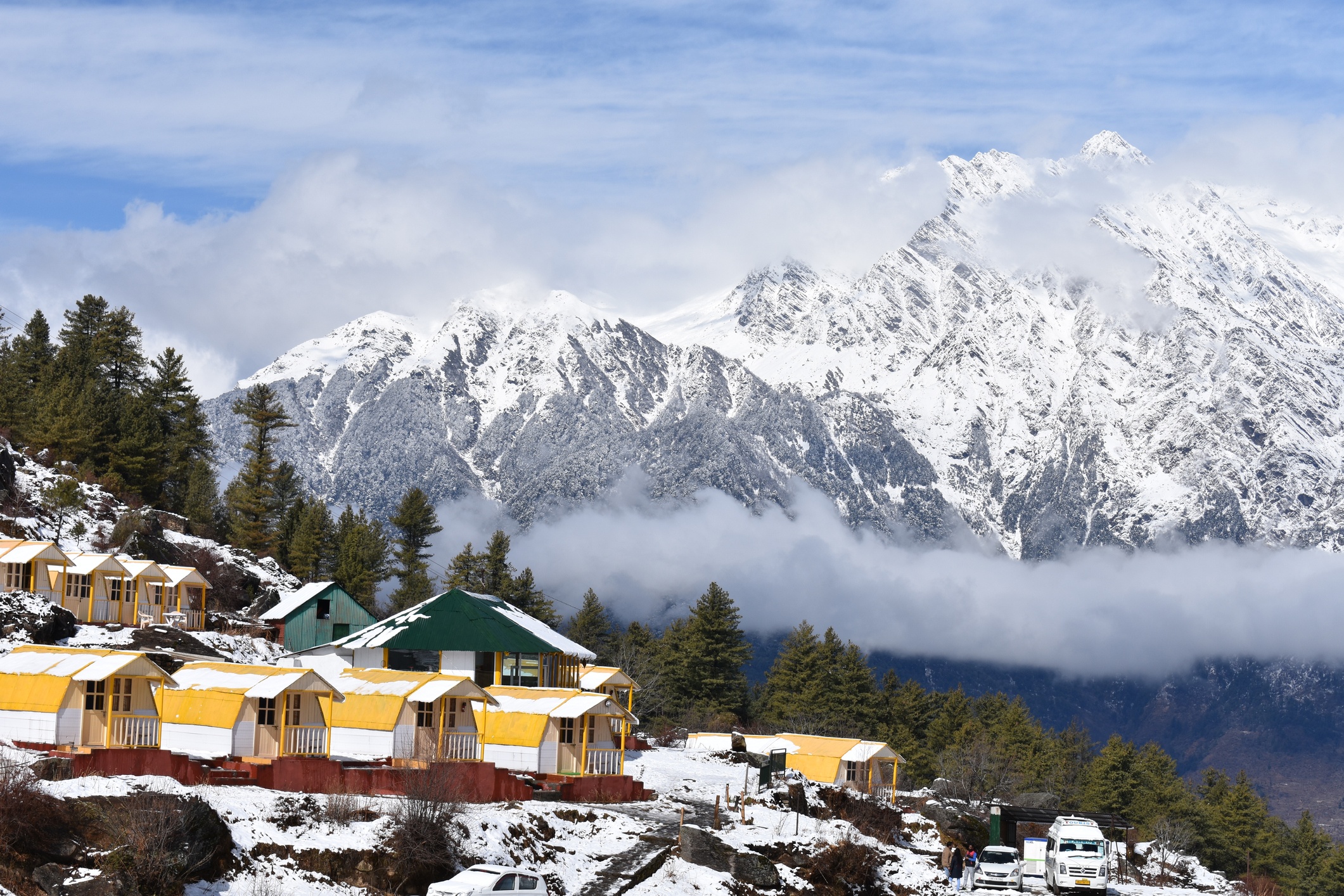
Auli which comes in Uttarakhand is well-known for the fascinating ski resorts and stunning natural vistas. Covered by the snowy peaks of the Himalayas, this hilly terrain provides the sceneries of oak fringed slopes, coniferous forests, apple orchards and deodar trees, and spectacular views of the lofty mountain ranges. You can visit the skiing hotspot of India to enjoy a white winter.
GULMARG, JAMMU, AND KASHMIR
Gulmarg is a town, a hill station, famous for skiing destination, and a revealing area committee in the Baramulla district, Jammu and Kashmir. The town is located in the Pir Panjal Range in the western Himalayas.
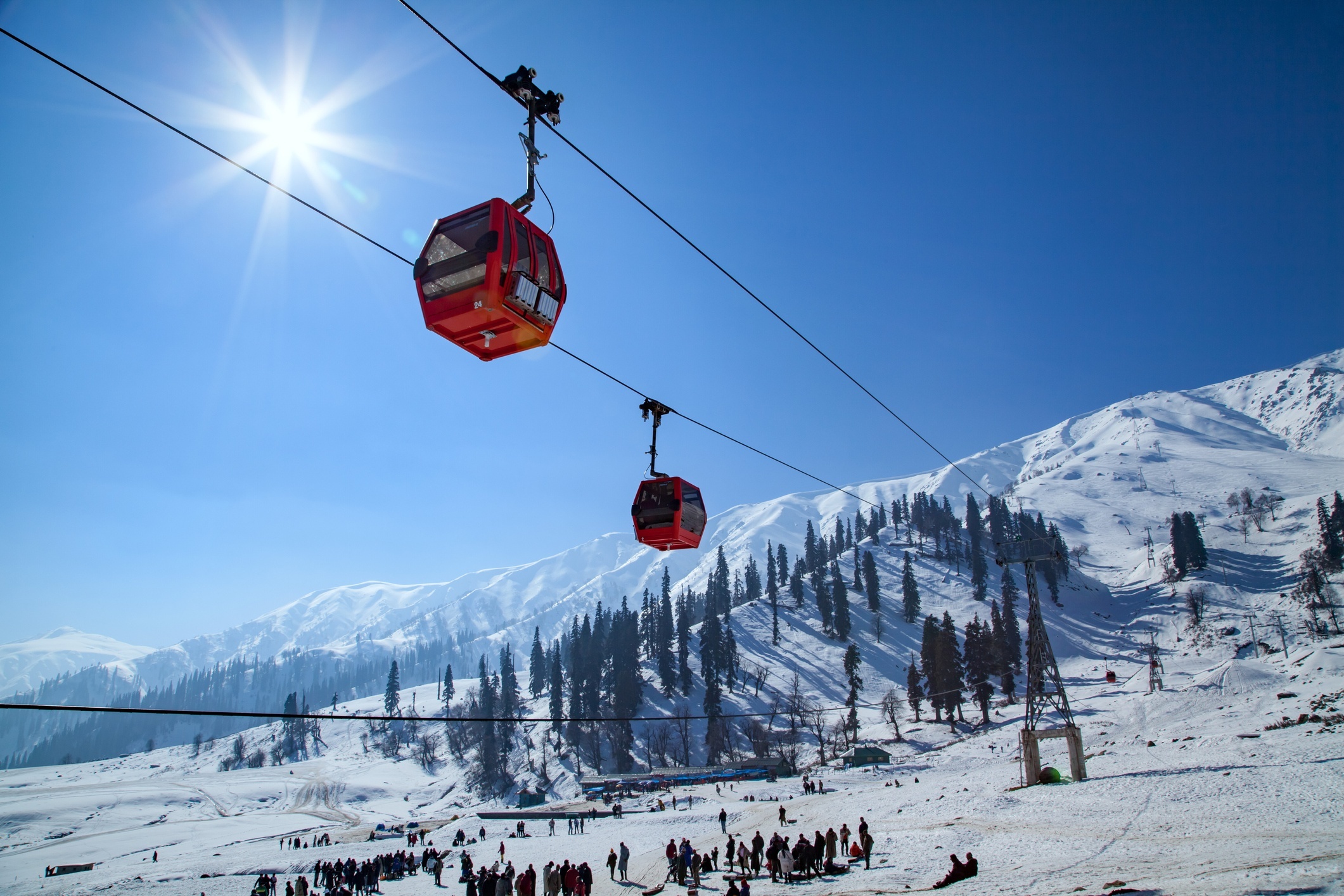
Gulmarg is known as one of the top honeymoon destinations in India. Gulmarg boasts, being a beautiful town without the crowd like Manali and Shimla. Gulmarg is structured as an adventurous hub by the Indian Institute of Skiing and Mountaineering is located here.
A lot of courses on trekking, mountaineering, skiing, and snowboarding are done by people over there. There are a lot of private tour operators in Gulmarg which provide courses and facilities for skiing, snowboarding, and trekking. It is also known for its scenic beauty, Gulmarg is a famous destination for shooting of various Bollywood films.
KUTCH, GUJRAT
Kutch district is a district of Gujarat state in western India, with its headquarters at Bhuj.

Virtually it is an island same as the shape of a tortoise, Kutch is an old princely state of India holding onto its glory nature from years. Kutch is a beautiful and surreal place in India with the huge expanses of the white salt desert.
The place is more known during the winters when the Rann Festival arrives from December to February everywhere in which there are huge camp settlements with cultural programs, functions, and adventure activities like hot-air ballooning.
Kutch is also known as the largest district of India with a terribly low population density. As Kutch lies on the India-Pakistan border and one can see parts of Pakistan from Kutch.
Kutch is well-known for crafts and embroidery works, Flamingo Sanctuary and Wild Ass Sanctuary. Bhuj is an ideal starting point to visit the Rann of Kutch. The amazing beaches of Mandvi near Bhuj are totally worth visiting during your trip to Kutch.
ALLEPPEY, KERALA
Alleppey is a city on the Laccadive Sea in the southern Indian state of Kerala. It is famous for houseboat cruises along with the rustic Kerala backwaters, a network of tranquil canals and lagoons.
Alappuzha Beach is the site of the 19th-century Alappuzha Lighthouse. Mullakkal Temple features a traditional design. Punnamada Lake’s snake boat races are a well-known annual event.
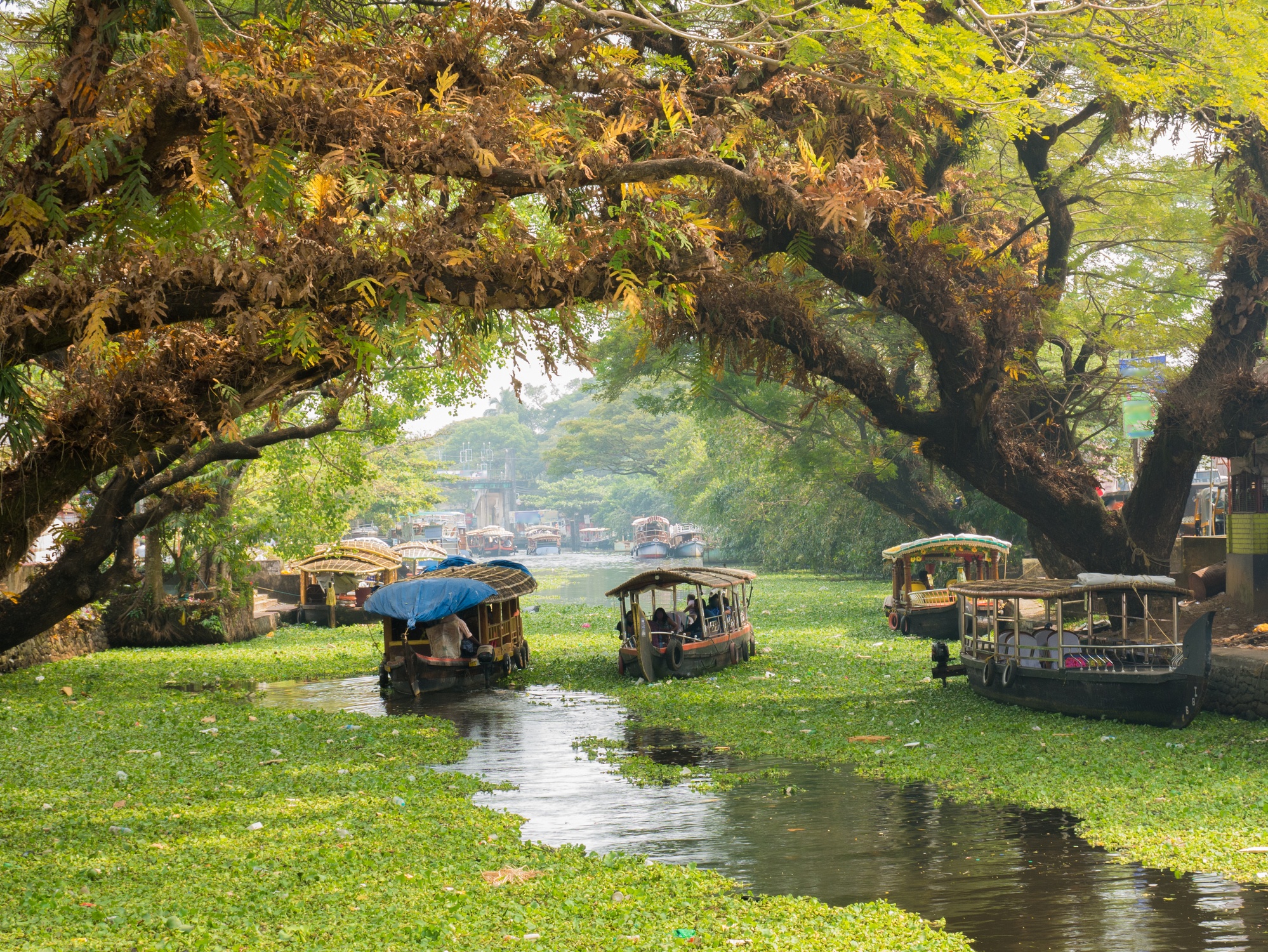
Officially called Alappuzha, Alleppey is a city in the South Indian state of Kerala. Bordering the Laccadive Sea, it is well-known for its wide network for connecting, palm-fringed canals called backwaters and joining Ayurvedic resorts.
Alleppey is also known for its Houseboat cruises that pass through the serene backwaters, where you can catch glimpses of green paddy fields, choir making activities, beautiful avifauna and witness the life of locals in Kerala.
Alleppey beach in the Arabian Sea is a pretty good example of the gems you’d find along the Malabar Coast. The appeal of this beach is only boosted by the history attached to it, and a walk down the 137-year old pier is a must.
Make sure to catch a traditional snake boat race in the months of August and September and try out some palm wine at a local toddy shop for adding a touch of authenticity to your travel experience in Allepey.
HAVELOCK ISLAND, ANDAMAN
Havelock Island is part of Ritchie’s Archipelago, in India’s the Andaman Islands. It’s known for its dive sites and beaches, like Elephant Beach, with its coral reefs. Crescent-shaped Radhanagar Beach is a popular spot for watching the sunset.
On the island’s east side, rocky sections mark long, tree-lined Vijay Nagar Beach. The island’s forested interior is home to birdlife such as white-headed mynas and woodpeckers.
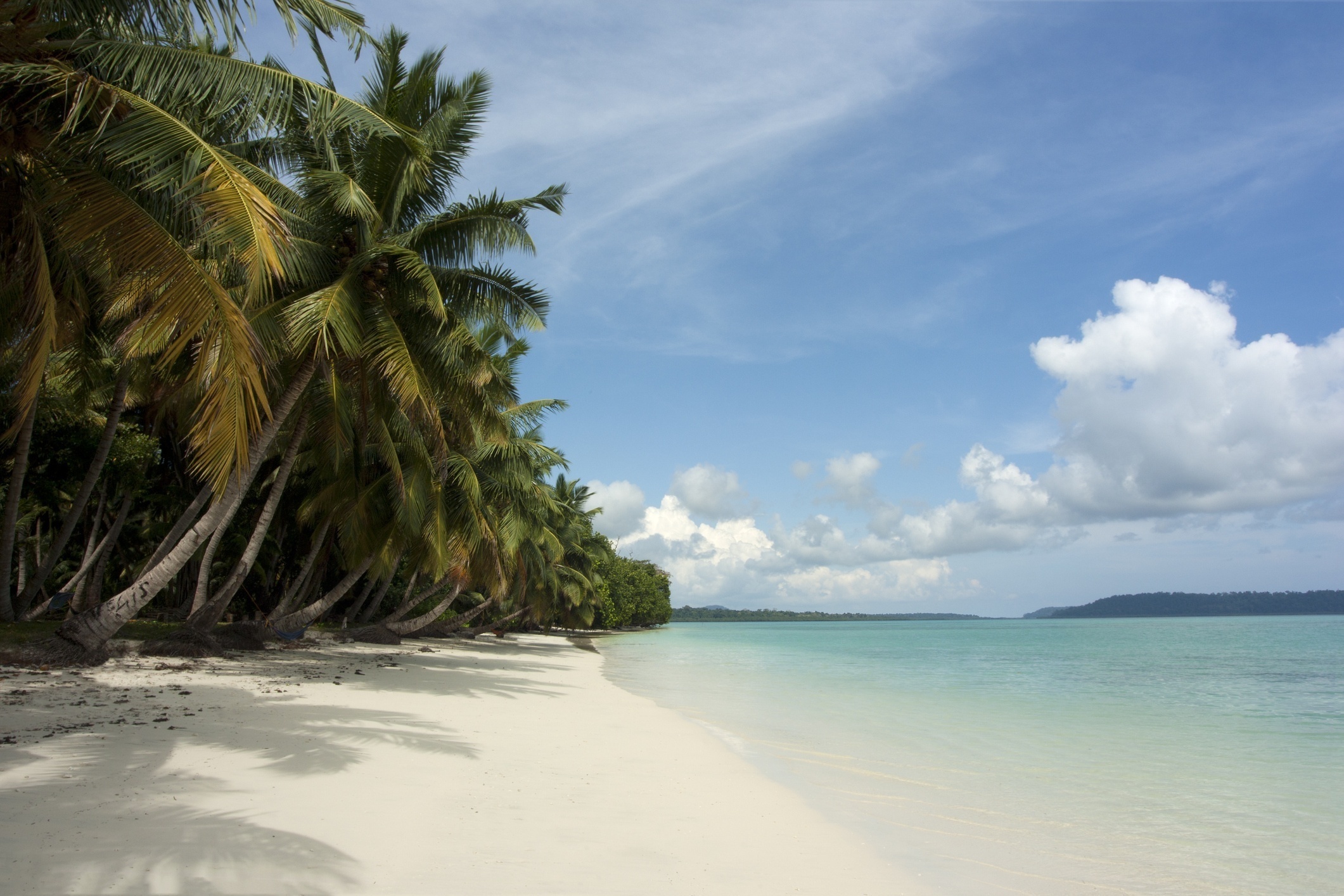
Havelock Island is one of the largest and most famous islands in the Andaman and Nicobar. Also named as Swaraj island. Havelock Island is a heaven of silky white sand beaches, crystal blue water, rich corals, and verdant forests.
There is no dearth of beauty on this little island as the reputed and much-loved Radhanagar and Vijaynagar Beaches are also right on its southern shores. Havelock Island is also liked by those who want to engage in scuba diving, snorkeling, and deep-sea diving.
The pristine shores and the aquamarine waters of the island stretch right across its expanses! Elephant beach and Kalapathar beach are the two most popular beaches on the island and are particularly for the views of the sunrise and sunsets.
The narrowed roads of the island winding alongside the coastline or through dense tropical jungles offer great rides on rental scooters. The island was named after a British General and comprises of Ritchie’s Archipelago and a collection of five villages.
DELHI
Delhi is known as the Capital of the country w. In Old Delhi, a neighborhood dating to the 1600s, stands the imposing Mughal-era Red Fort, a symbol of India, and the sprawling Jama Masjid mosque, whose courtyard accommodates 25,000 people. Nearby is Chandni Chowk, a vibrant bazaar filled with food carts, sweets shops, and spice stalls.
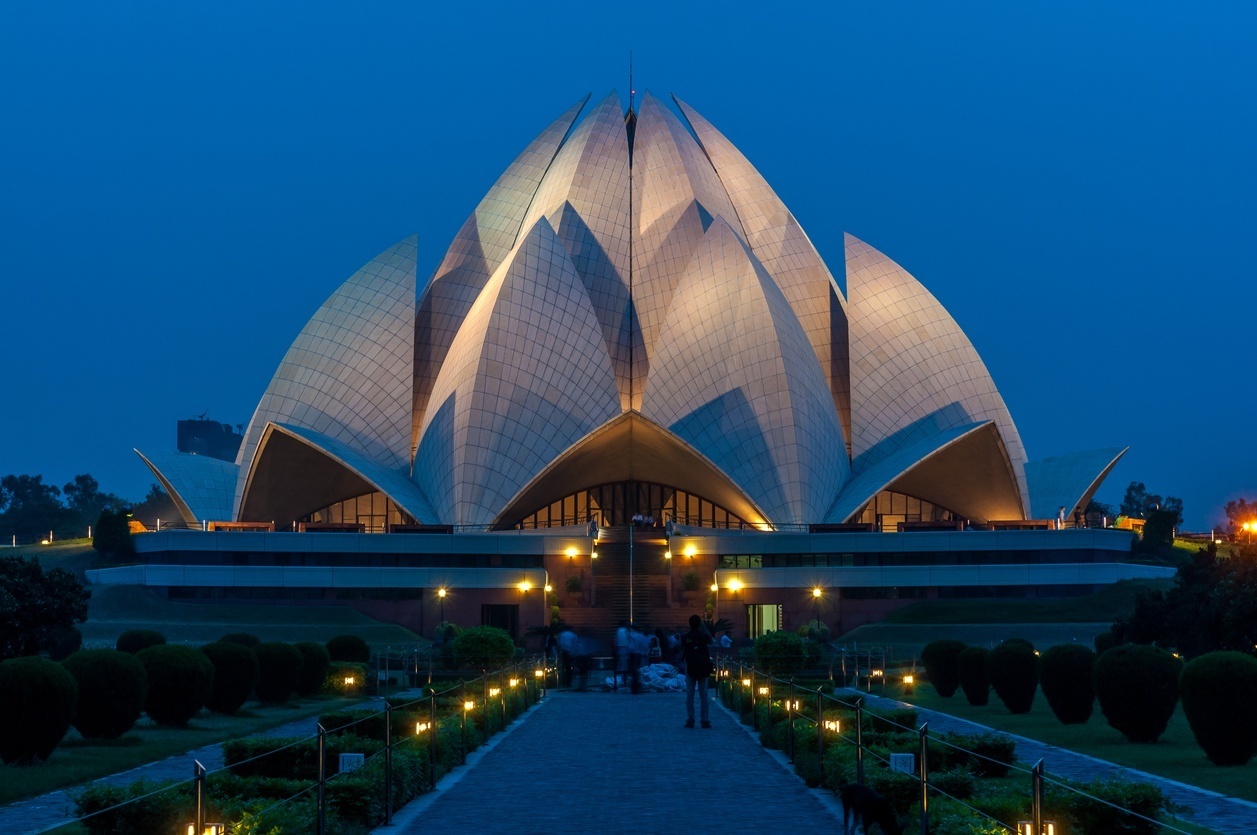
A symbol of the country’s rich past and thriving present, Delhi is a city where ancient and modern blend seamlessly together. It is a place that not only touches your pulse but even fastens it to a frenetic speed.
Home to millions of dreams, the city takes on unprecedented responsibilities of realizing dreams bringing people closer and inspiring their thoughts.
Following are famous tourist places of Delhi:
- Akshardham Temple
- Azad Hind Gram
- Lotus Temple
- Birla Mandir
- Dilli Haat
- Dilli Haat INA
- Dilli Haat Pitampura
- Dilli Haat Janakpuri
- Garden of Five Senses
- Humayun’s Tomb
- India Gate
- Iskcon Temple
- Jama Masjid
- Jantar Mantar
- Kalam memorial
- Lodi Tomb
- Parliament House
- Purana Quila
- Qutab Minar
- Rashtrapathi Bhavan
- Safdarjang Tomb
- Gurudawra Bangla Sahib
- Guru Tegh Bahadur Memorial
- National Police Memorial
ZIRO, ARUNACHAL PRADESH
Ziro is a census town in Lower Subansiri district in the Indian state of Arunachal Pradesh. It is shortlisted for inclusion in the Tentative List for further nomination to UNESCO for inscription in the World Heritage Site.
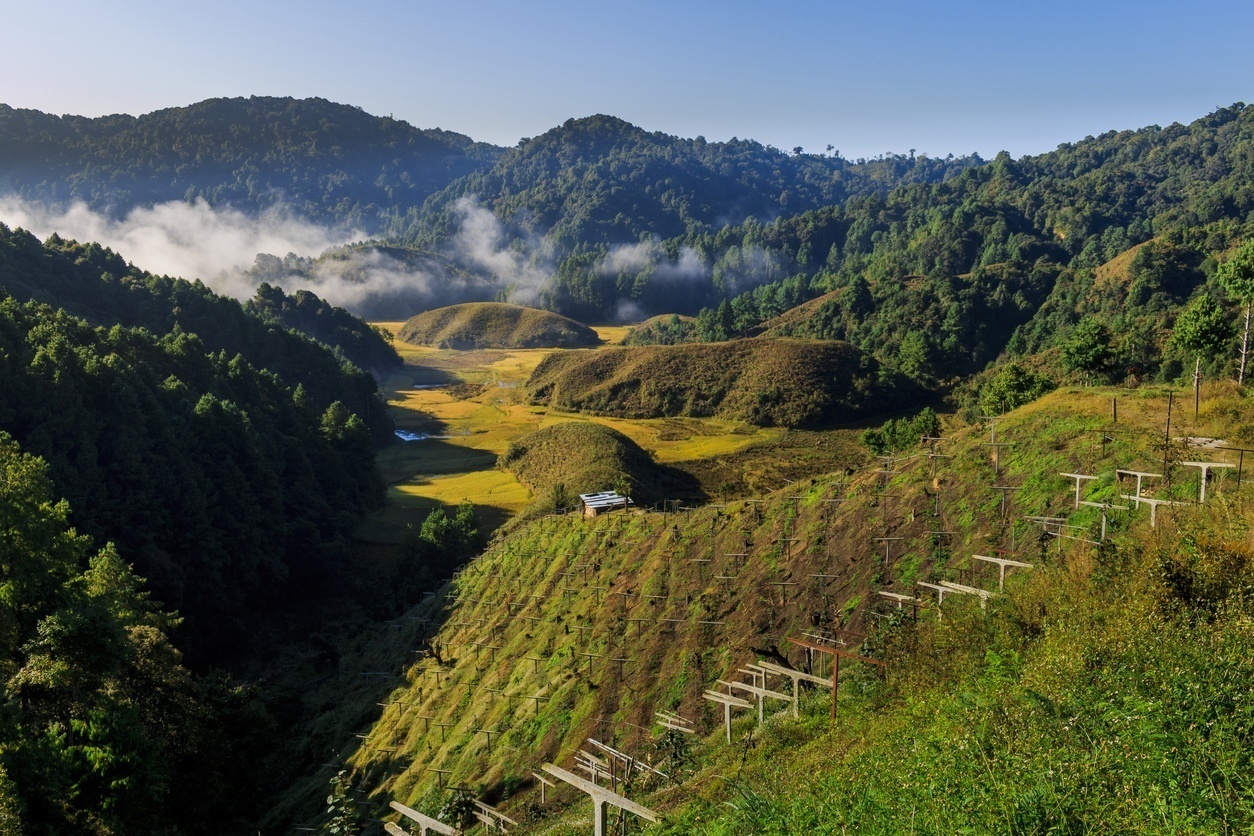
The cradle to a unique tribal group and a balmy climate, Ziro is the peace seeker’s paradise. Ziro is a quaint old town in Arunachal Pradesh, home to the Apa Tani tribe and famous for its pine hills and rice fields.
Ziro is a quaint old town in Arunachal Pradesh, home to the Apa Tani tribe and famous for its pine hills and rice fields. The climate in Ziro is mild throughout the year, making it comfortable to travel all year round.
MANALI, HIMACHAL PRADESH
Manali is a high-altitude Himalayan resort town in India’s northern Himachal Pradesh state. It has a reputation as a backpacking center and honeymoon destination.
Set on the Beas River, it’s a gateway for skiing in the Solang Valley and trekking in Parvati Valley. It’s also a jumping-off point for paragliding, rafting, and mountaineering in the Pir Panjal mountains, home to 4,000m-high Rohtang Pass.
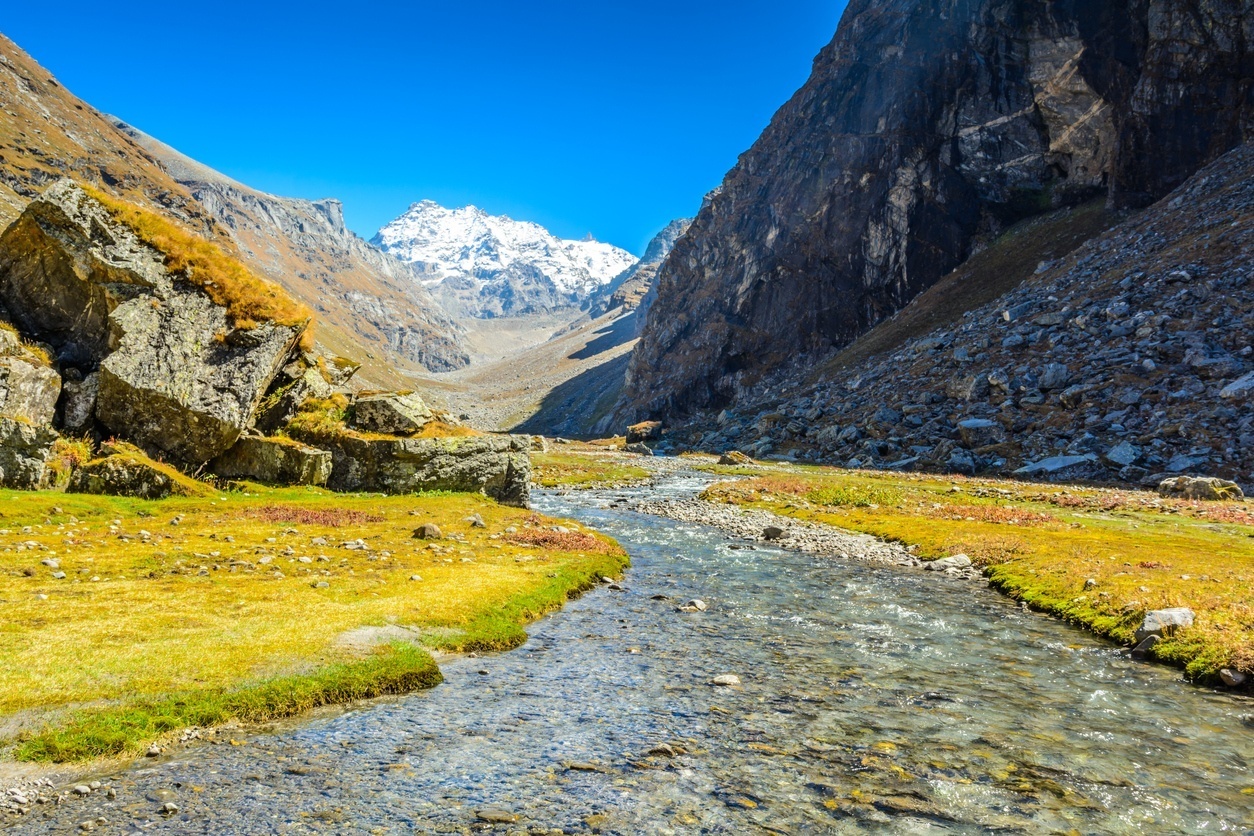
Nestled in between the snow-capped slopes of the Pir Panjal and the Dhauladhar ranges, Manali is one of the most popular hill stations in the country. With jaw-dropping views, lush green forests, sprawling meadows carpeted with flowers, gushing blue streams, a perpetual fairy-tale like mist lingering in the air, and a persistent fragrance of pines – Manali has been blessed with extraordinary scenic beauty. From museums to temples, from quaint little hippie villages to bustling upscale streets, river adventures to trekking trails, Manali has every reason to be the tourist magnet it is, all year round.
Swaying eucalyptus trees, endearing little eateries, small kitschy local market places, and cafes which serve delicious local food at unbelievable prices, Old Manali is a serene, tranquil place, whose lingering silence is broken only by the twittering of the birds and the sound of the roaring waters of the Kullu River.
SHILLONG, MEGHALAYA
A beautiful city encircled by pine trees, Shillong is the capital of Meghalaya. It derives its name from Lei Shillong, an idol worshipped at the Shillong Peak. Standing as tall as 1496 meters, Shillong provides relief from the heat across the country. This hill station is known for its picturesque sights and traditions.
The soothing climate makes Shillong suitable to visit in all seasons. The light drizzles and the cooling gentle wind adds to the joy of visiting this hill station. This place is also known as the ‘Scotland of the East’. One can find descendants of the Khyrim, Mylliem, Maharam, Mallaisohmat, Bhowal, and Langrim tribes.
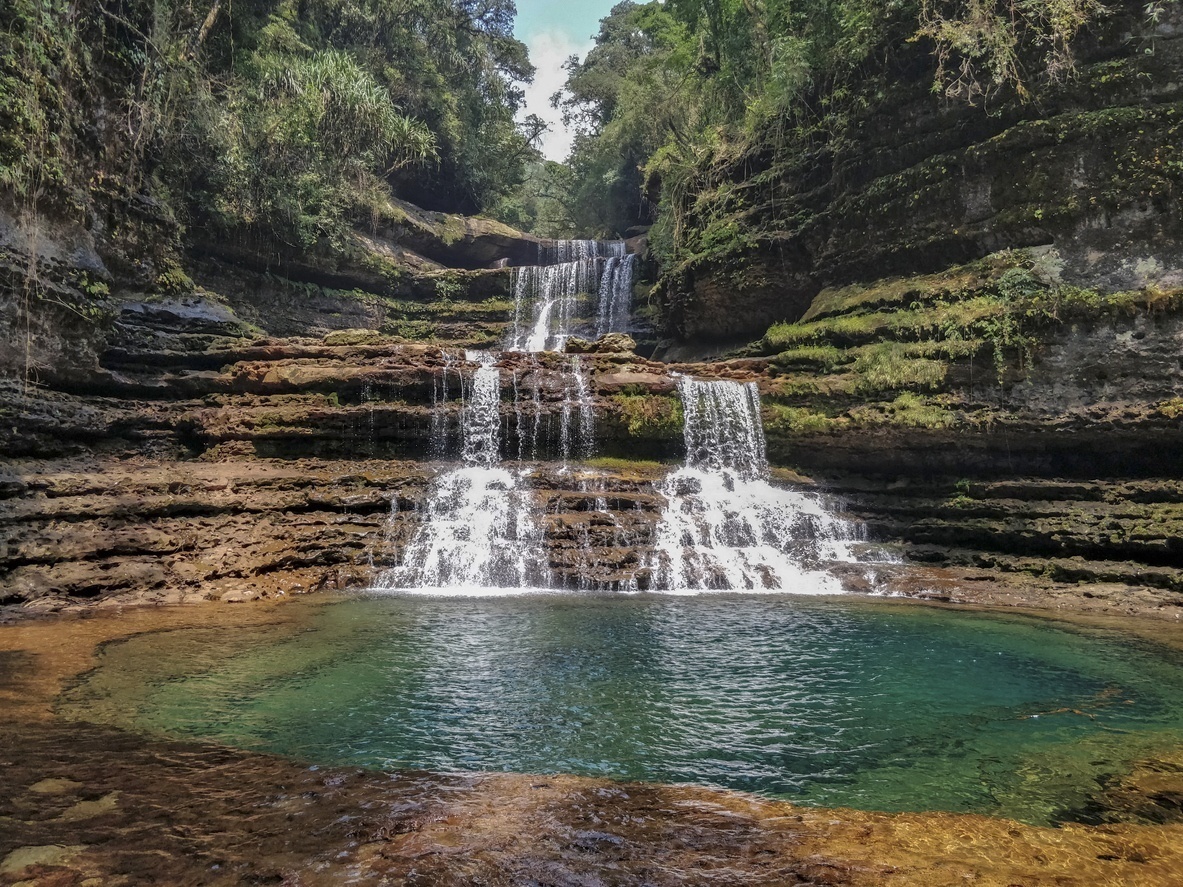
Shillong, the capital of Meghalaya, is the home to numerous waterfalls. The exciting mountain peaks, crystal clear lakes, breathtakingly beautiful golf courses, museums, and the zoo are the key reasons why people visit Shillong. Apart from the natural beauty, Shillong also acts as the gateway to Meghalaya, the state famous for heavy rainfalls, caving, tallest waterfalls, beautiful landscapes, and amazing people and culture.
Shillong in particular has been in limelight for its jovial people and their culture. Interestingly, Shillong has a very westernized culture and it has a very young feel to it. Shillong is also famous as the music capital of India, as many prominent musicians have hailed from this place. Many music events keep happening throughout the year, making it a very lively place.
ZANSKAR VALLEY, LADAKH
Zanskar, Zahar (locally), or Zangskar, also known as Zanskar or Jangskar, is a subdistrict or tehsil of the Kargil district, which lies in the Indian union territory of Ladakh. The administrative center is Padum. Zanskar, together with the neighboring region of Ladakh, was briefly a part of the kingdom of Guge in Western Tibet. Zanskar lies 250 km south of Kargil town on NH301.
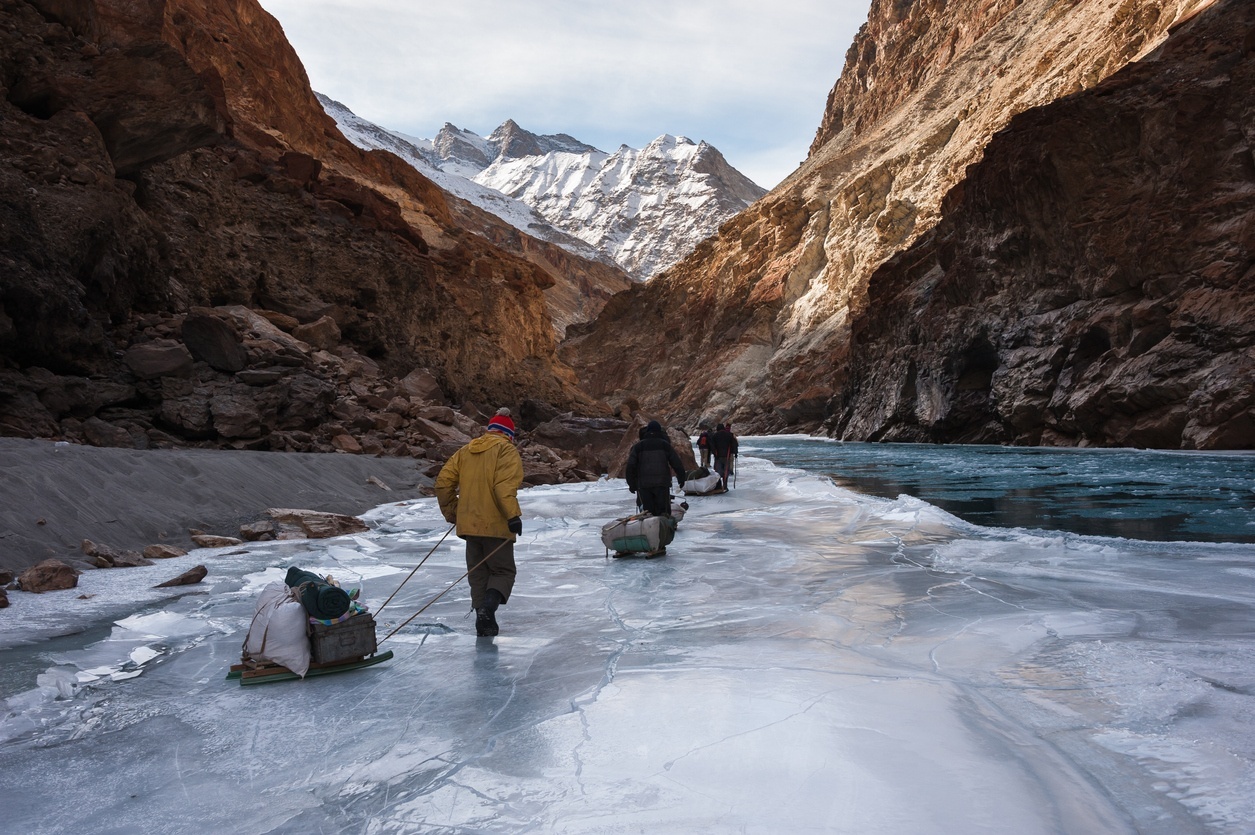
The Zanskar Range is a mountain range in the union territory of Ladakh that separates Zanskar from Ladakh. Geologically, the Zanskar Range is part of the Tethys Himalaya, an approximately 100-km-wide synclinorium formed by strongly folded and imbricated, weakly metamorphosed sedimentary series. The average height of the Zanskar Range is about 6,000 m. Its eastern part is known as Rupshu. The town had a population of 20,000 in 2020.
Located in the Kargil district to the east of Ladakh (around 105 km) lies the bewitching Zanskar Valley. Pronounced as Zahar or Zangskar locally, it is separated from Ladakh by the Zanskar mountain range which is a part of The Tethys Himalayas. Zanskar is known for its raw landscape and is mostly traveled to for trekking and river rafting.
The semi-desert region is flanked by snow-capped mountains and sparkling clean rivers along with distinct flora and fauna. The easiest way of reaching Zanskar is from Kargil through Suru Valley. It is cut off from the rest of the world for over 9 months of the year because of heavy snowfall in the region. The only way of reaching Zanskar during the winter months of December to February is to undertake the challenge.
Lifestyle
Stop Worrying About Bad Cholesterol- Boost Your HDL Like a Pro with These 5 Lifestyle Changes

The Good Cholesterol Paradox- Why Your HDL is Your Heart’s MVP
How often do you hear someone brag about their good cholesterol levels?
Never. People are constantly fixated on LDL- the so-called “bad” cholesterol- but they often miss the real story, the protective mechanism humming along in the background. That mechanism is High-Density Lipoprotein, or HDL, and honestly, if your heart was a highway, HDL would be the clean-up crew, the garbage collector, the guy who swoops in to drag away the potentially deadly buildup before it causes a major arterial traffic jam. It’s vitally important for cardiovascular health because it performs reverse cholesterol transport, pulling excess cholesterol from the cells and artery walls and shuttling it back to the liver for excretion or reprocessing, protecting you from plaque buildup and subsequently, the horrors of a heart attack or stroke. Wait, let me backtrack. Don’t just focus on lowering LDL- you really wanna maximize this good guy too.
It’s a simple concept. We want more of the good stuff.
The Doctor’s Orders: 5 Ways to Boss Up Your HDL
Raising HDL can be challenging because genetics play a big role in determining your baseline levels. However, medical experts and cardiologists universally agree that lifestyle modifications are powerful tools- perhaps the only non-pharmacological route to nudging those numbers into the optimal zone. These aren’t temporary fixes either- these are fundamental shifts that support your entire metabolic system. We’re talking about foundational habits that make a difference where its toughest to reach- deep inside your vascular network.
So, here are the five key changes doctors keep hammering home.
1. Exercise Smarter- Not Just Harder
You already know exercise is good for you. Duh. But specifically, to boost HDL, you need to focus on duration and intensity, particularly with aerobic activity. Studies consistently show that consistent, vigorous-intensity aerobic exercise is the most potent lifestyle intervention for raising HDL cholesterol. This isn’t just a casual walk around the block- though that’s better than nothing- we are talking about elevated heart rate for sustained periods.
I mean, think about it- if I hit the gym for 45 minutes of brisk walking five days a week, my lipid panel looks dramatically better than when I was spending that same amount of time lifting weights and resting a lot. You should aim for at least 150 minutes of moderate-intensity or 75 minutes of vigorous-intensity aerobic exercise weekly- things like running, cycling, dancing, or power walking are perfect. And the key is consistency- your body responds to the long game, not the occasional burst of activity, so make it a non-negotiable part of your schedule. This activity also helps lower triglycerides, which is a massive win for heart health.
2. The Right Fats are Everything
This is where the diet advice gets counterintuitive for many people who still think “low-fat” is the answer. Actually, come to think of it, eating *fat* can raise your HDL. But we are talking about monounsaturated and polyunsaturated fats, not the saturated fats found in huge quantities in processed foods and fatty meats.
Specifically, integrating omega-3 fatty acids is crucial. I tell all my friends to load up on fatty fish like salmon and mackerel, or grab some walnuts and flaxseeds if they are vegetarian. Replacing refined carbohydrates and saturated fats with monounsaturated fats- like high-quality olive oil or avocados- is a direct route to improving those HDL numbers, because these healthy fats don’t just reduce LDL, they actively facilitate the HDL creation process, helping their transportation efforts in the arteries.
3. Ditch the Smoke, Seriously
This is the most critical point and the most immediate game-changer. Smoking is a direct toxin to your entire cardiovascular system, and it has a devastatingly reductive effect on HDL levels. It doesn’t just lower your good cholesterol; it also damages the HDL particles themselves, rendering them less effective at performing their clean-up duties.
Quitting smoking can lead to a rapid improvement in HDL levels, often within weeks or months. It is hard, but its the single best thing you can do for your heart. There is simply no substitute for cessation if you are a smoker looking to improve your lipid profile.
4. Manage the Midsection
When doctors talk about weight loss in relation to HDL, they are often really talking about reducing visceral fat- the sneaky, dangerous fat stored deep around your abdominal organs. Visceral fat is metabolically active and pumps out inflammatory compounds that interfere with healthy cholesterol production.
Even moderate weight loss- say, 5 to 10 percent of your total body weight- can significantly impact your HDL numbers, often improving the ratio between HDL and LDL. This is strongly linked to the exercise point and the diet point, naturally, but focusing on waist circumference is a tangible goal. Less belly fat means less metabolic chaos. Simple math.
5. Rethink Alcohol Intake
This one always requires careful phrasing because of the popular myth that drinking red wine is a health requirement. While moderate alcohol consumption has sometimes been linked to marginally higher HDL levels, this benefit is highly conditional, and excessive drinking completely negates any potential upside while dramatically increasing health risks like high blood pressure, liver damage, and high triglycerides.
What’s ‘moderate’? The standard definition is one drink per day for women and up to two drinks per day for men. And here’s the kicker- if you don’t drink, doctors definitely don’t recommend you start drinking just to boost your HDL. The risks of abuse and dependence far outweigh the minor cholesterol benefit. If you are drinking heavily, cutting back or quitting will absolutely benefit your overall health profile more than their is benefit from the occasional glass of wine.
The Final Word on the Good Stuff
Raising HDL is a marathon, not a sprint. You can’t just take a pill for it, which is why the pharmaceutical industry hasn’t been wildly successful in finding a dedicated HDL booster drug that actually translates to better patient outcomes. The body wants to regulate this through pure, honest effort.
It’s about the combination of consistent vigorous movement, swapping out trans and saturated fats for olive oil and fish, shedding that excess belly weight, and absolutely, positively avoiding tobacco smoke. Start small- swap your processed cooking oil for olive oil today. Go for a brisk 20-minute walk before dinner.
Are you really ready to stop just talking about cardio and actually commit to that vigorous intensity that gets results?

Introduction:
Chronic diseases like diabetes, hypertension, and heart disease are silently reshaping our world. Once considered ailments of older adults, these conditions are now affecting people at younger ages, driven by aging populations and unhealthy lifestyle choices. The alarming rise in chronic illnesses is not just a personal health crisis—it’s a global challenge demanding urgent attention. But here’s the silver lining: many of these diseases are preventable. By understanding their causes and adopting healthier habits, we can take control of our futures and reduce the burden on healthcare systems.
The Scope of the Chronic Disease Epidemic
Today, chronic diseases account for 7 out of 10 deaths globally , according to the World Health Organization (WHO). Diabetes, hypertension, and heart disease top the list, with millions diagnosed each year. What’s even more concerning is that these conditions are no longer confined to older adults—millennials and Gen Z are increasingly at risk due to poor lifestyle choices.
Imagine a world where half the population is battling preventable diseases while juggling work, family, and daily responsibilities. That’s the reality we’re heading toward if we don’t act now.
Why Are Chronic Diseases on the Rise?
Several interconnected factors contribute to this growing epidemic:
- Aging Populations: As life expectancy increases, so does the prevalence of age-related conditions like hypertension and heart disease. Older adults are more vulnerable to chronic illnesses due to natural wear and tear on the body.
- Unhealthy Diets: High consumption of processed foods, sugary beverages, and trans fats leads to obesity, insulin resistance, and elevated blood pressure.
- Physical Inactivity: Sedentary lifestyles fueled by desk jobs, screen time, and urban living weaken cardiovascular health and metabolism.
- Stress and Mental Health: Chronic stress triggers inflammation and hormonal imbalances, increasing the risk of diseases like hypertension and diabetes.
- Environmental Factors: Air pollution, lack of green spaces, and limited access to healthy food options exacerbate health disparities.
These factors create a perfect storm, leaving individuals and societies struggling to cope.
The Devastating Impact of Chronic Diseases
The consequences of unchecked chronic diseases are far-reaching:
- On Individuals: Living with diabetes or hypertension often means managing medications, frequent doctor visits, and the constant fear of complications like kidney failure or stroke.
- On Families: Caregiving responsibilities and financial strain fall heavily on loved ones, creating emotional and economic burdens.
- On Healthcare Systems: Rising cases overwhelm hospitals and clinics, driving up costs and reducing resources for other critical services.
- On Economies: Lost productivity from illness and premature death hinders economic growth, especially in low-income countries.
This epidemic affects us all, directly or indirectly, making prevention crucial.
Steps to Combat the Chronic Disease Epidemic
While the statistics may seem daunting, there’s hope. Many chronic diseases are preventable through simple yet consistent lifestyle changes:
- Eat Clean and Nutritious Foods: Focus on whole grains, lean proteins, fruits, and vegetables. Avoid excessive sugar, salt, and unhealthy fats to protect your heart and metabolism.
- Stay Active Daily: Aim for at least 30 minutes of moderate exercise, such as walking, cycling, or yoga. Even small bursts of movement throughout the day make a difference.
- Manage Stress: Practice mindfulness, meditation, or hobbies that bring joy. Prioritizing mental health reduces the risk of stress-related illnesses.
- Get Regular Check-Ups: Early detection of conditions like high blood pressure or prediabetes allows for timely intervention and better outcomes.
- Advocate for Systemic Change: Support policies that promote affordable healthcare, clean environments, and access to nutritious food for underserved communities.
Prevention starts with awareness—and action.
A Collective Responsibility
Fighting the chronic disease epidemic isn’t just an individual effort; it requires collective action. Governments, businesses, and communities must work together to create environments that support healthy living. From building parks and bike lanes to subsidizing fresh produce and regulating junk food advertising, every step counts.
Remember, your health is your most valuable asset. By investing in it today, you’re securing a brighter future—not just for yourself but for generations to come.
Conclusion: Prevention Is Power
The chronic disease epidemic may feel overwhelming, but it’s not inevitable. With education, proactive choices, and systemic changes, we can curb its progression and improve quality of life for millions. Whether you’re rethinking your diet, lacing up your sneakers, or advocating for healthier policies, every effort matters.
Let’s stand united against chronic diseases and pave the way for a healthier, happier world.

Introduction:
Obesity is no longer just an adult concern—it’s rapidly becoming a childhood epidemic. Poor diets filled with processed foods, sugary drinks, and unhealthy snacks, combined with increasingly sedentary lifestyles, are setting the stage for serious health issues like diabetes, heart disease, and long-term chronic conditions. But it’s not too late to turn the tide. By understanding the root causes and taking proactive steps, we can help children—and ourselves—build healthier habits that last a lifetime.
The Growing Problem of Childhood Obesity
Childhood obesity has reached alarming levels worldwide. According to recent studies, the number of overweight or obese children has skyrocketed in the past few decades. This isn’t just about appearances—it’s about the dangerous health risks lurking beneath the surface.
Think about it: kids glued to screens for hours, swapping outdoor playtime for video games, and reaching for chips instead of fruits. These small choices add up over time, leading to weight gain, insulin resistance, and even early signs of heart problems. Without intervention, these children are at risk of carrying these habits into adulthood, where the consequences become even more severe.
Why Are Poor Diets and Inactivity So Common?
Several factors contribute to this troubling trend:
- Processed and Fast Foods: Convenience often trumps nutrition. Busy families lean on quick meals loaded with sugar, fat, and empty calories.
- Screen Time Overload: Smartphones, tablets, and TVs dominate leisure time, leaving little room for physical activity.
- Lack of Physical Education: Budget cuts in schools mean fewer opportunities for kids to engage in sports or structured exercise.
- Marketing Tactics: Advertisements target children with appealing junk food options, making unhealthy choices seem fun and desirable.
- Urbanization and Safety Concerns: In many areas, safe spaces for outdoor play are limited, discouraging physical activity.
Understanding these barriers helps us address them effectively.
The Long-Term Impact of Obesity
The effects of childhood obesity extend far beyond adolescence. Here’s what’s at stake:
- Diabetes Risk: Excess weight increases the likelihood of developing Type 2 diabetes—a condition once considered rare in children.
- Heart Disease: High cholesterol and blood pressure during youth can lead to cardiovascular problems later in life.
- Mental Health Struggles: Overweight children often face bullying, low self-esteem, and depression, which affect their emotional well-being.
- Economic Burden: Treating obesity-related illnesses places a massive strain on healthcare systems globally.
The earlier we intervene, the better the outcomes—for individuals and society as a whole.
Steps Toward a Healthier Future
Breaking free from the cycle of poor diets and inactivity requires effort—but it’s entirely possible. Here’s how to start:
- Encourage Balanced Nutrition: Swap sugary snacks for fresh fruits, vegetables, and whole grains. Teach kids the importance of mindful eating.
- Limit Screen Time: Set boundaries around device usage and encourage alternative activities like reading, drawing, or playing outside.
- Promote Active Play: Make movement fun! Whether it’s dancing, biking, or team sports, find ways to get kids moving every day.
- Advocate for School Programs: Push for stronger physical education curriculums and healthier cafeteria options in schools.
- Lead by Example: Parents and caregivers who model healthy behaviors inspire children to follow suit.
Small changes today create big differences tomorrow.
Conclusion: Building a Brighter, Healthier Tomorrow
Obesity and sedentary lifestyles may feel like insurmountable challenges, but they don’t have to define our future. With education, determination, and community support, we can empower the next generation to embrace healthier choices. Let’s give children the tools they need to thrive—not just survive.
Together, we can rewrite the narrative and ensure a brighter, healthier world for everyone.

Stop Worrying About Bad Cholesterol- Boost Your HDL Like a Pro with These 5 Lifestyle Changes
The Good Cholesterol Paradox- Why Your HDL is Your Heart’s MVP How often do you hear someone brag about their...


Siri Awakens: Why Apples AI Chatbot Upgrade is the End of the Digital Brick Wall
That Awkward Silence After “Hey Siri” Remember the first time you tried to ask Siri a complicated, multi-step command or,...

Beyond Cigarettes: How Social Class Quietly Shapes Lung Cancer Risk
The Smoking Gun Wasn’t Smoking: Rethinking Lung Cancer Risk We’ve all heard the narrative-lung cancer is the smoker’s disease. It’s...


5 Hidden Display Settings That Can Significantly Improve iPhone Battery Longevity
The Screen is Eating Your Life You know the feeling, right? It’s 3:15 PM, you’re stuck in a meeting, and...


Anup Jalota to AR Rahman: Dobara Hindu Ho Jaayein
Being a legend in India isn’t easy. Seriously. Whether you’re in cinema or music, there is this heavy, invisible weight...


The Exercise Advantage: Why Cardio Fitness Is Essential for Sexual Well-Being
The Secret Weapon for Your Sex Life Isn’t a Pill-It’s the Treadmill We often talk about exercise in terms of...


What Is a Coregasm? A Science-Backed Look at Exercise-Induced Pleasure
The Ultimate Fitness Surprise: Understanding the Coregasm Imagine pushing through the final, grueling set of a plank or a leg...


Bedroom Cardio? The Real Health Impact of Sex Explained
The Ultimate Performance Metric: Is Sex Really a Workout? For decades, sex has been mythologized in popular culture, often portrayed...

3 Minutes a Day Is Enough: How Incidental Physical Activity Reduces Heart Risk
The Exercise Myth That’s Holding You Back For decades, we’ve been conditioned to believe that exercise only counts if it...


LG, Hisense & Samsung Reveal Breakthrough Micro RGB TV Display technology
Twice a year, the tech world spins faster, but CES-the annual Consumer Electronics Show-is usually where we get the clearest...
-

 Uncategorized5 years ago
Bond and Togetherness – A strong connection between family members
-
Health5 years ago
There are more twins now than ever before
-
Beauty5 years ago
A Meditation to focus attention and awareness
-

 Beauty3 years ago
The side effects of nighttime smartphone usage
-
Health5 years ago
Ayurveda In India
-

 Beauty5 years ago
Top 10 Most Handsome Men in the World
-

 Entertainment5 years ago
Top 20 Instagrammers earning million dollars
-
Uncategorized5 years ago
Impact on children with Busy Parents Schedule