Uncategorized
Impact on children with Busy Parents Schedule


“ To be in your Children’s memories tomorrow, You have to be in their lives today.” – Barbara Johnson. Parents are the first teachers in a child’s life and play a very crucial role in shaping their adult lives. The way parents speak, behave children do the same.
A child’s character represents their parent’s character. With the arrival of the new family-style where both mother and father are working, this parent-child relationship has also faced both positive and negative impacts. There are more earnings for the parents to spend on their children but less time to invest with their children.
With the growing urban culture and busy schedule of people. It has now become a very common thing for kids to return home, from school and not to find their mom or dad waiting eagerly to hear stories from them. There is hardly any time in the evenings, that would usually be engaged with never-ending stories about their day in school.
Cons of both parents working on the child:
- Busy parent’s children lack needed support and supervision.
- A child’s academic performance will surely get hampered.
- Less bonding with the parents.
- In a situation where both parents can’t spend time with their kids, then possibilities are there that kids become more rigid and aggressive.
- Children will also get attracted to bad habits due to peer pressures like addiction to games like PUBG, smoking, drugs, and drinking habits.
Earlier, with there was a joint family system, raising a child was not a difficult task. As there were multiple caregivers for a child apart from the mother. Aunts, uncles, grandparents – everyone used to help in the upbringing of the children in the family. .Nuclear Families suddenly got increased all over the world, leaving working parents with almost no family members to leave their child with. This style of parenting came with its own positives and downfalls. It leads to greater maturity levels and experience that the parents can share with their children but reducing a considerable time that they could have spent with them.

So let’s prioritize family and work both. Both need equal attention. Although your family and your child need more time.

Introduction:
In today’s fast-paced world, divorce rates are rising globally, reshaping the fabric of modern families. For many, this transition leads to single-parent households—a reality that brings both challenges and opportunities. While divorce can be a necessary step toward personal happiness or safety, its ripple effects often leave lasting impacts on children, parents, and society as a whole.
This blog dives deep into the causes behind the increase in divorce and single-parent households, examines their societal implications, and offers actionable solutions to help families thrive despite these changes. Whether you’re navigating this journey yourself or seeking to understand it better, let’s explore how we can build stronger, more resilient communities.
The Growing Trend of Divorce and Single-Parent Families
According to recent studies, nearly 40-50% of marriages in many developed countries end in divorce, with similar trends emerging in other parts of the world. As a result, millions of children grow up in single-parent homes, where one parent shoulders the responsibilities traditionally shared by two.
While every family’s story is unique, several common factors contribute to this trend:
- Changing Social Norms: Gone are the days when staying in an unhappy marriage was seen as the only option. Today, people prioritize emotional well-being, mutual respect, and compatibility over societal expectations.
- Economic Independence: Women, in particular, have gained greater financial autonomy through education and career opportunities, reducing reliance on traditional marital structures.
- Increased Awareness of Abuse: More individuals recognize unhealthy relationships and seek separation as a means of self-preservation. This shift reflects progress but also highlights underlying issues within partnerships.
- Delayed Marriages and High Expectations: Couples marrying later in life or entering unions with unrealistic ideals about romance may face higher risks of dissatisfaction and eventual dissolution.
While divorce can provide relief from toxic environments, it also introduces new complexities—especially for children who must adapt to changing family dynamics.
The Impact of Divorce and Single-Parent Households
Divorce and single parenthood don’t just affect individuals; they influence entire communities. Let’s examine some key consequences:
1. Emotional Toll on Children
Children of divorced parents often experience confusion, guilt, or feelings of abandonment. They may struggle academically, socially, or emotionally as they adjust to divided households. However, research shows that consistent support and open communication can mitigate these challenges.
2. Financial Strain on Single Parents
Raising children alone places immense pressure on the custodial parent, who must juggle work, childcare, and household management. Many single parents face poverty, limited access to affordable healthcare, and difficulty advancing their careers due to caregiving responsibilities.
3. Social Stigma
Despite growing acceptance, single-parent families still encounter judgment or stereotypes. These biases can isolate parents and children, making them feel excluded from mainstream society.
4. Broader Societal Effects
From overcrowded classrooms to increased demand for social services, the rise of single-parent households strains public resources. At the same time, fragmented family units challenge cultural norms around unity and stability.
Addressing the Root Causes: Why Do Marriages Fail?
Understanding why marriages dissolve is crucial to preventing unnecessary breakups and supporting those who choose to separate. Common reasons include:
- Lack of Communication: Misunderstandings and unresolved conflicts erode trust over time.
- Infidelity: Betrayal shatters the foundation of intimacy and partnership.
- Financial Stress: Disagreements over money management can escalate into irreconcilable differences.
- Unrealistic Expectations: Romanticized notions of marriage fail to prepare couples for real-life challenges.
- Domestic Violence or Abuse: Safety concerns force many to leave harmful situations, even if it means raising children alone.
By addressing these root causes early, couples can strengthen their bonds and reduce the likelihood of divorce.
Solutions for Stronger Families and Communities
Though divorce and single parenthood present significant hurdles, they don’t have to define a family’s future. Here are practical steps to foster resilience and create supportive environments:
1. Prioritize Mental Health Support
Both parents and children benefit from counseling during and after divorce. Therapy provides tools for processing emotions, improving communication, and rebuilding confidence.
z. Promote Co-Parenting Relationships
When possible, ex-spouses should maintain respectful co-parenting arrangements. Consistent routines, clear boundaries, and cooperative decision-making help minimize disruption for children.
3. Expand Access to Resources
Governments and nonprofits must invest in programs that assist single-parent families, such as affordable childcare, housing subsidies, job training, and mental health services.
4. Encourage Financial Literacy
Teaching budgeting skills and offering financial planning workshops empowers single parents to manage expenses effectively and plan for long-term stability.
5. Combat Stigma Through Education
Schools, media outlets, and community organizations should normalize diverse family structures. Celebrating all types of families reduces shame and fosters inclusivity.
6. Strengthen Pre-Marriage Preparation
Couples considering marriage should undergo premarital counseling to address potential red flags before tying the knot. Learning conflict resolution and setting realistic goals lays a solid foundation for lasting partnerships.
7. Foster Community Connections
Single-parent households thrive when surrounded by supportive networks. Neighbors, friends, and extended family members can pitch in with babysitting, mentorship, or simply lending a listening ear.
A Call for Compassion and Collaboration
Divorce and single parenthood are not failures—they are realities shaped by human experiences, choices, and circumstances beyond our control. Rather than stigmatizing these families, we must rally together to provide understanding, resources, and encouragement.
By addressing the root causes of marital breakdowns and investing in solutions for affected families, we can pave the way for healthier, happier communities. After all, strong families form the backbone of strong societies.
Conclusion: Building Hope for Tomorrow
The rise of divorce and single-parent households isn’t a sign of societal collapse—it’s an invitation to evolve. It challenges us to rethink outdated norms, embrace diversity, and prioritize compassion.
If you’re part of a single-parent household, know that you’re not alone. Reach out for support, lean on your community, and remember that your efforts shape the next generation. And if you’re reading this as someone outside this experience, consider how you can extend kindness and advocacy to those navigating these waters.
Together, we can turn adversity into opportunity and ensure that every child grows up in a loving, secure environment—regardless of their family structure.
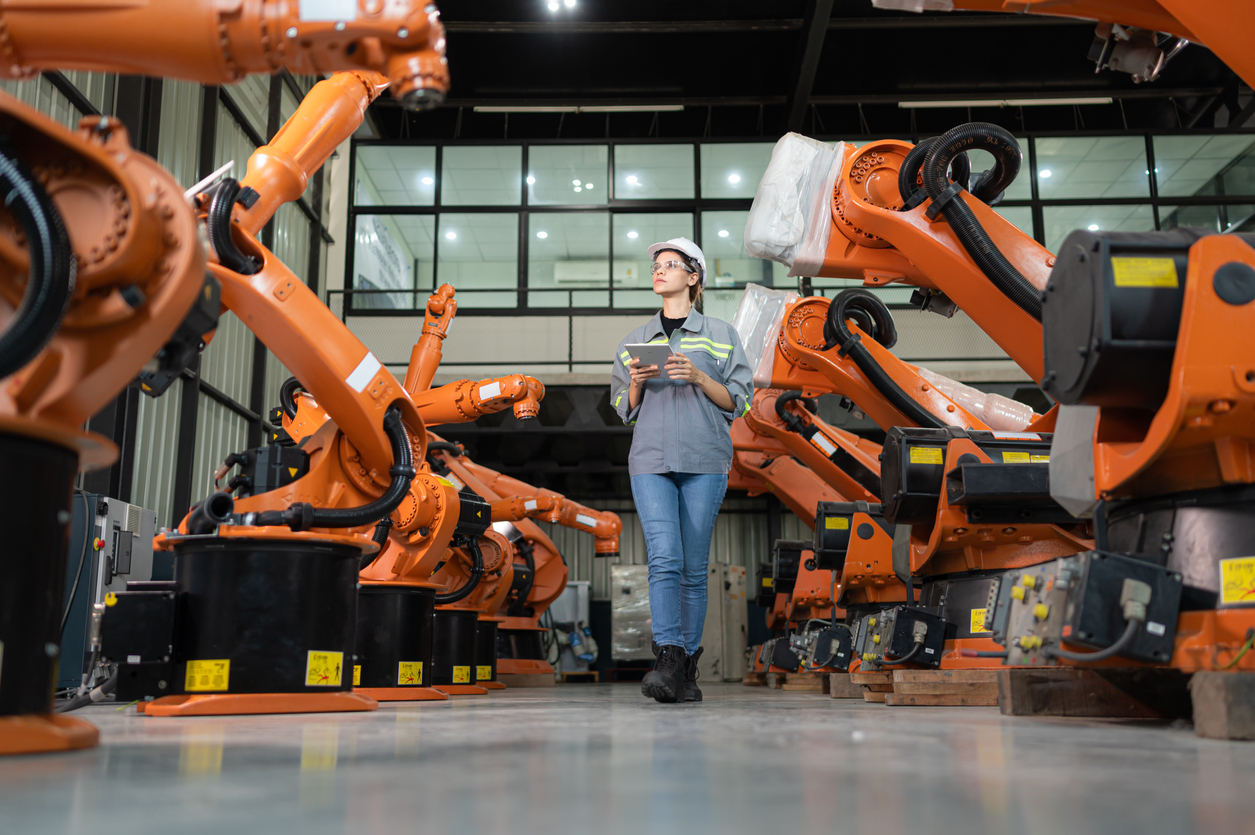
In the realm of manufacturing, the concept of “Smart Factories” has emerged as a beacon of innovation and efficiency. These cutting-edge facilities are redefining industrial production by integrating advanced technologies such as the Internet of Things (IoT), artificial intelligence (AI), automation, and data analytics into their operations. This transformation is not merely a progression; it’s a revolution that promises heightened productivity, reduced costs, and increased efficiency. In this article, we will explore the realm of smart factories, focusing on their key components, advantages, challenges, and the pivotal role they play in shaping the future of manufacturing.
Unpacking Smart Factories
Smart factories, also known as Industry 4.0 or the Fourth Industrial Revolution, epitomize the pinnacle of modern manufacturing. They harness digital technologies to create highly interconnected and automated production environments where machines, systems, and human operators collaborate seamlessly. The defining elements of a smart factory encompass:
- IoT Integration: Smart factories are equipped with an array of sensors and IoT devices. These sensors continuously gather real-time data from machines and equipment, enabling remote monitoring, predictive maintenance, and data-driven decision-making.
- Automation and Robotics: Automation serves as the backbone of smart factories. Robots and autonomous systems are entrusted with repetitive tasks, ensuring precision, speed, and a reduction in errors, ultimately enhancing production efficiency.
- Data Analytics and AI: Advanced analytics and AI algorithms sift through the copious data generated within smart factories. This empowers predictive maintenance, quality control, and the optimization of production processes.
- Connectivity and Communication: Smart factories rely on robust communication networks, including 5G, to facilitate real-time information exchange between machines and systems. This agility enables swift responses to fluctuating conditions and demands.
- Digital Twin Technology: Digital twins, virtual replicas of physical assets or processes, play a vital role in smart factories. They are employed for simulation, testing, and optimization, effectively reducing downtime and operational costs.
The Benefits of Smart Factories
Implementing smart factories reaps a multitude of advantages for manufacturers:
- Heightened Efficiency: Automation and data-driven decision-making bolster production efficiency, curtailing lead times and boosting overall output.
- Elevated Quality Control: Real-time monitoring and AI-driven quality control mechanisms ensure consistent product quality.
- Cost-Efficiency: Predictive maintenance minimizes downtime and lowers maintenance costs, while optimized processes reduce material wastage.
- Flexibility and Adaptability: Smart factories possess the agility to swiftly accommodate market fluctuations and product variations, thereby maintaining a competitive edge.
- Enhanced Safety: Automation of hazardous tasks and real-time safety monitoring elevate worker safety standards.
- Sustainability: Streamlined processes lead to reduced energy consumption and a diminished environmental footprint, aligning with sustainability objectives.
Challenges and Considerations
While the potential benefits of smart factories are immense, manufacturers must navigate certain challenges and considerations:
- Initial Investment: Implementing smart factory technologies necessitates substantial upfront investments in equipment, software, and training.
- Cybersecurity: Increased connectivity exposes smart factories to cybersecurity threats. Robust security measures are essential to safeguard sensitive data and operations.
- Workforce Adaptation: Transitioning to smart factories often requires upskilling the workforce to effectively operate and maintain advanced technologies.
- Data Privacy: Responsible and compliant management of the substantial data generated is crucial.
- Integration Complexity: Integrating legacy systems with new technologies can be intricate and demands meticulous planning.
Conclusion
The emergence of smart factories signifies a transformative shift in manufacturing, promising heightened productivity, improved quality, and enhanced competitiveness. As technology continues to evolve, smart factories will become increasingly accessible and cost-effective, benefiting a broader spectrum of manufacturers. Embracing this Fourth Industrial Revolution is not merely a strategic move; it’s a commitment to future-proofing operations and reimagining the possibilities within manufacturing. Smart factories are not a distant dream; they are a tangible reality that is reshaping the manufacturing landscape today.

Google’s annual developer conference, Google I/O 2023, is happening today and will begin at 10 am PT/10:30 pm IST.
Unlike previous years, this year’s event will only take place on May 10th and will be held in person.
Google will use the occasion to announce Android 14, as well as the expected releases of Pixel Fold, Pixel 7a, and Pixel Tablet. While Pixel Fold has already been confirmed, there is a possibility of the launch of an affordable Pixel 7a, Pixel Tablet, and Pixel Watch 2. If you are interested in watching the event live, you can tune into Google’s official YouTube channel, where it will be live-streamed


Stop Worrying About Bad Cholesterol- Boost Your HDL Like a Pro with These 5 Lifestyle Changes
The Good Cholesterol Paradox- Why Your HDL is Your Heart’s MVP How often do you hear someone brag about their...


Siri Awakens: Why Apples AI Chatbot Upgrade is the End of the Digital Brick Wall
That Awkward Silence After “Hey Siri” Remember the first time you tried to ask Siri a complicated, multi-step command or,...


Beyond Cigarettes: How Social Class Quietly Shapes Lung Cancer Risk
The Smoking Gun Wasn’t Smoking: Rethinking Lung Cancer Risk We’ve all heard the narrative-lung cancer is the smoker’s disease. It’s...


5 Hidden Display Settings That Can Significantly Improve iPhone Battery Longevity
The Screen is Eating Your Life You know the feeling, right? It’s 3:15 PM, you’re stuck in a meeting, and...


Anup Jalota to AR Rahman: Dobara Hindu Ho Jaayein
Being a legend in India isn’t easy. Seriously. Whether you’re in cinema or music, there is this heavy, invisible weight...


The Exercise Advantage: Why Cardio Fitness Is Essential for Sexual Well-Being
The Secret Weapon for Your Sex Life Isn’t a Pill-It’s the Treadmill We often talk about exercise in terms of...


What Is a Coregasm? A Science-Backed Look at Exercise-Induced Pleasure
The Ultimate Fitness Surprise: Understanding the Coregasm Imagine pushing through the final, grueling set of a plank or a leg...


Bedroom Cardio? The Real Health Impact of Sex Explained
The Ultimate Performance Metric: Is Sex Really a Workout? For decades, sex has been mythologized in popular culture, often portrayed...

3 Minutes a Day Is Enough: How Incidental Physical Activity Reduces Heart Risk
The Exercise Myth That’s Holding You Back For decades, we’ve been conditioned to believe that exercise only counts if it...


LG, Hisense & Samsung Reveal Breakthrough Micro RGB TV Display technology
Twice a year, the tech world spins faster, but CES-the annual Consumer Electronics Show-is usually where we get the clearest...
-

 Health6 years ago
There are more twins now than ever before
-
Uncategorized6 years ago
Bond and Togetherness – A strong connection between family members
-
 Lifestyle6 years ago
10 Surreal Places to enjoy winters in India
-
Beauty6 years ago
A Meditation to focus attention and awareness
-
Health6 years ago
Ayurveda In India
-

 Beauty3 years ago
The side effects of nighttime smartphone usage
-

 Beauty6 years ago
Top 10 Most Handsome Men in the World
-

 Entertainment6 years ago
Top 20 Instagrammers earning million dollars